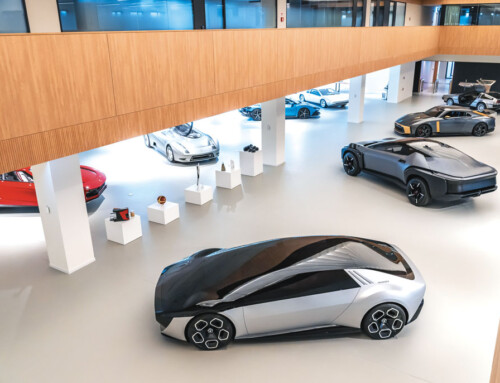
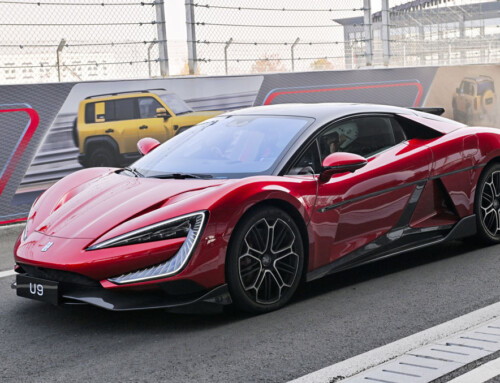
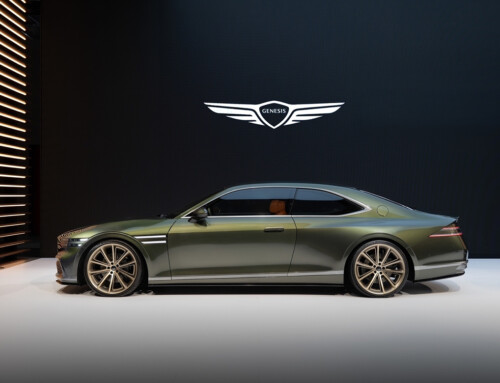
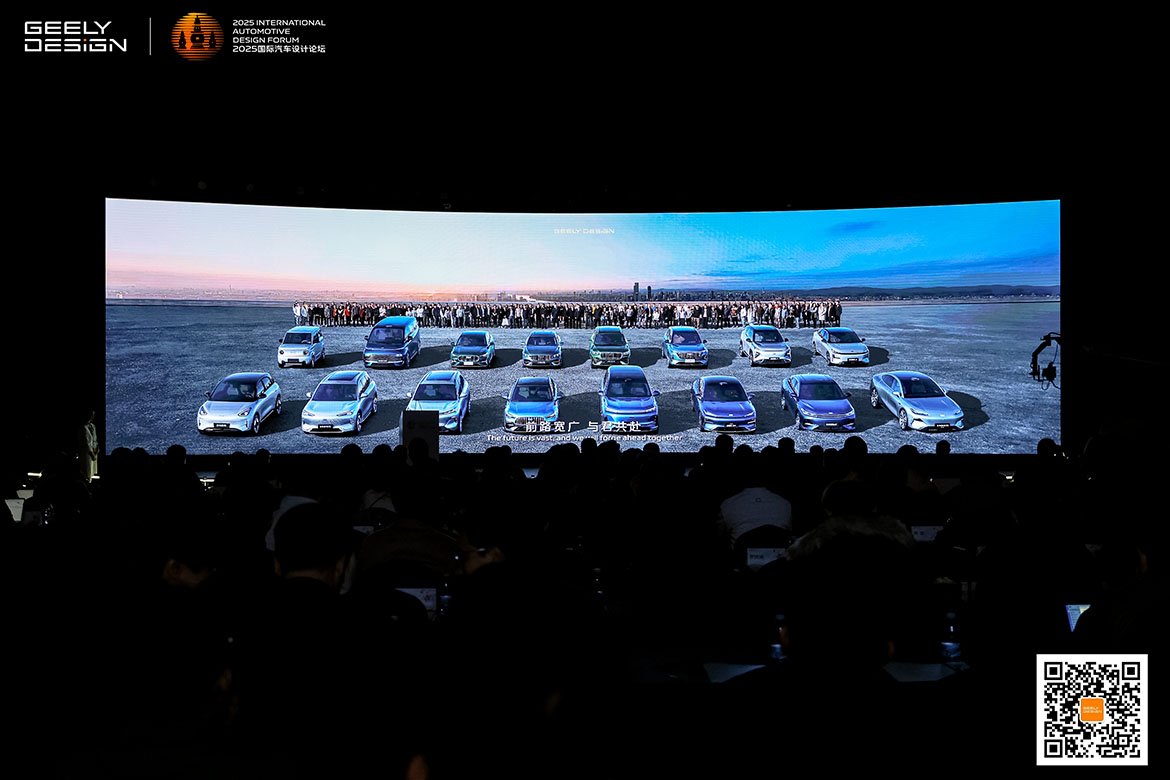
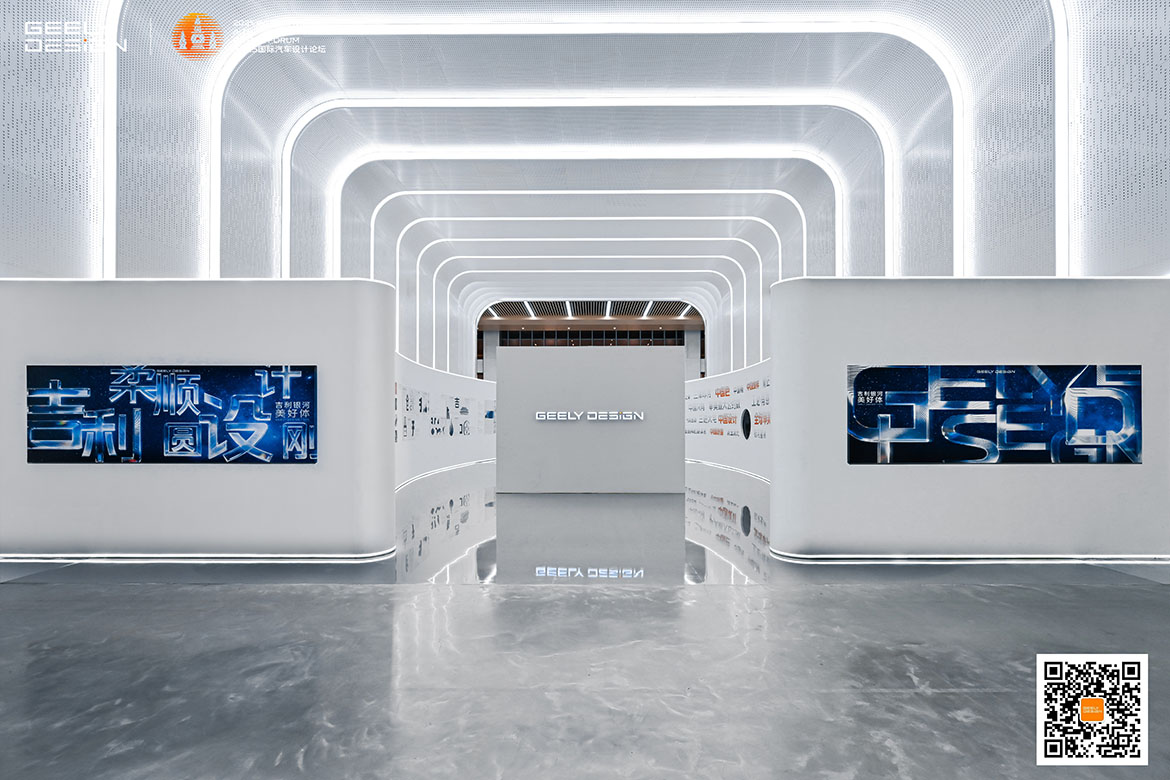
In the global car design landscape, China is no longer merely following established models but is asserting its own design language. This maturation process was at the heart of the International Automotive Design Forum, organized by Geely Design and held in December within the striking setting of the Shanghai Golden Furnace — a former industrial site transformed for the occasion into an auditorium and multiple exhibition spaces. In a carefully curated, contemporary display, Chinese art artifacts, research on graphic patterns, and projects from transportation design schools came together, offering a broad and coherent vision of the evolution of Chinese automotive design.
Under the theme “Chinese Design – Global Aesthetics”, Forum 2025 also marked the presentation of the third edition of the White Paper on Research of Chinese Automotive Design Discourse System, in collaboration with academic and industrial partners. The event reflects the synergy between Geely Automotive Group, Geely Talent Development Group, the Geely Innovation Design Institute, and Geely University, combining research, education, and innovation to define the guiding principles of Chinese automotive design.
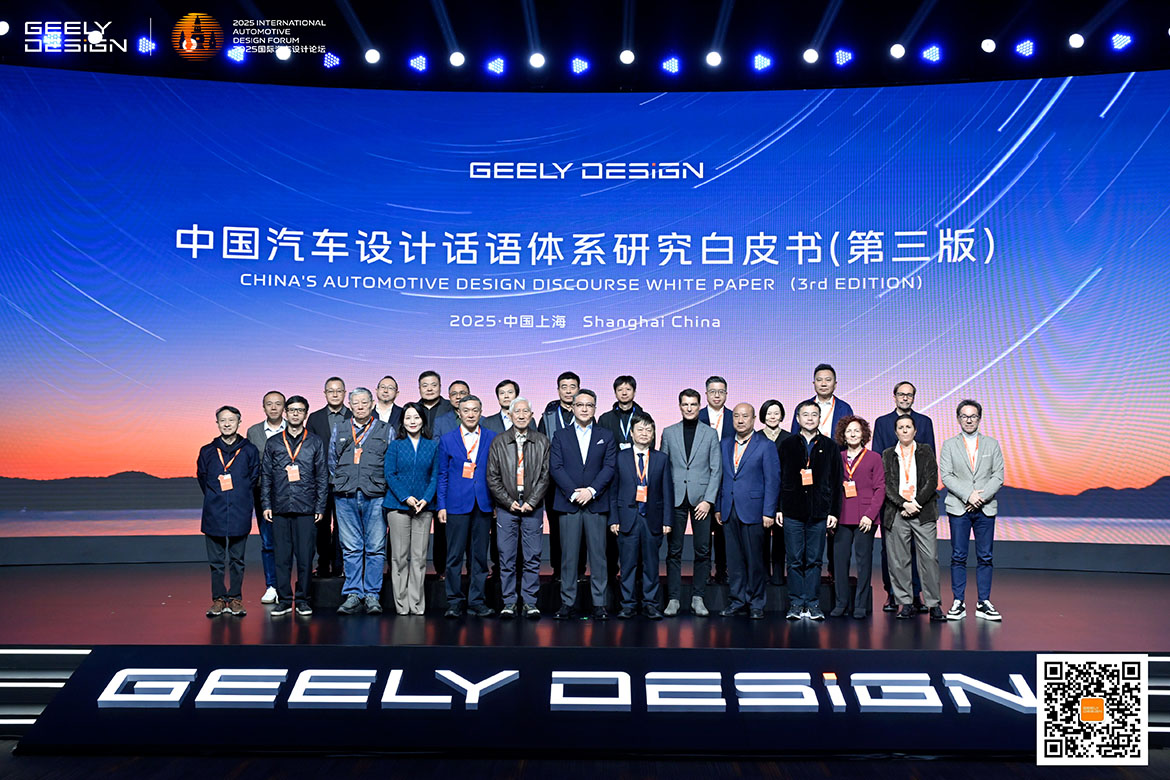
Highlighting the role of design as the primary interpreter of the brand, Chen Zheng, Vice President of Geely Automotive Group, opened the workshop with these words: “Authentic Chinese design must be rooted in its cultural origins, define an original value proposition, and develop distinctive characteristics. The roots lie in the unique cultural genes of each region; the value proposition arises from the principles expressed by that context; and the characteristics emerge through the product’s functional logic and aesthetic language. Only the integration of these three elements allows for a coherent, complete Chinese design that unites thought and practice.”
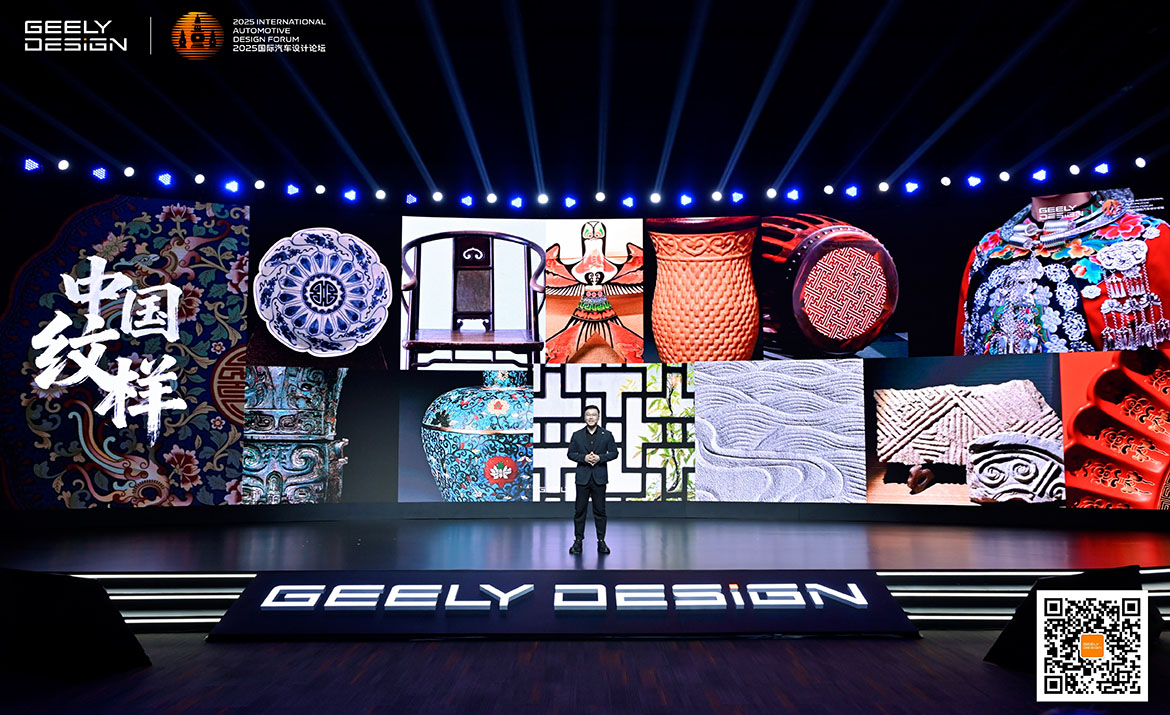
Among the research showcased at Forum 2025 were the Nine Guiding Principles of Geely Design, conceived as a value compass to unify creativity, methods, and standards, and Chinese Color – Geely Qing, a project that systematically explores China’s color heritage to integrate color as a foundational element of automotive design language. Complementing these were Geely Patterns and China Radius, which translate traditional Chinese symbols, craftsmanship, and aesthetic concepts into contemporary design specifications, giving the products a deep and recognizable cultural identity.
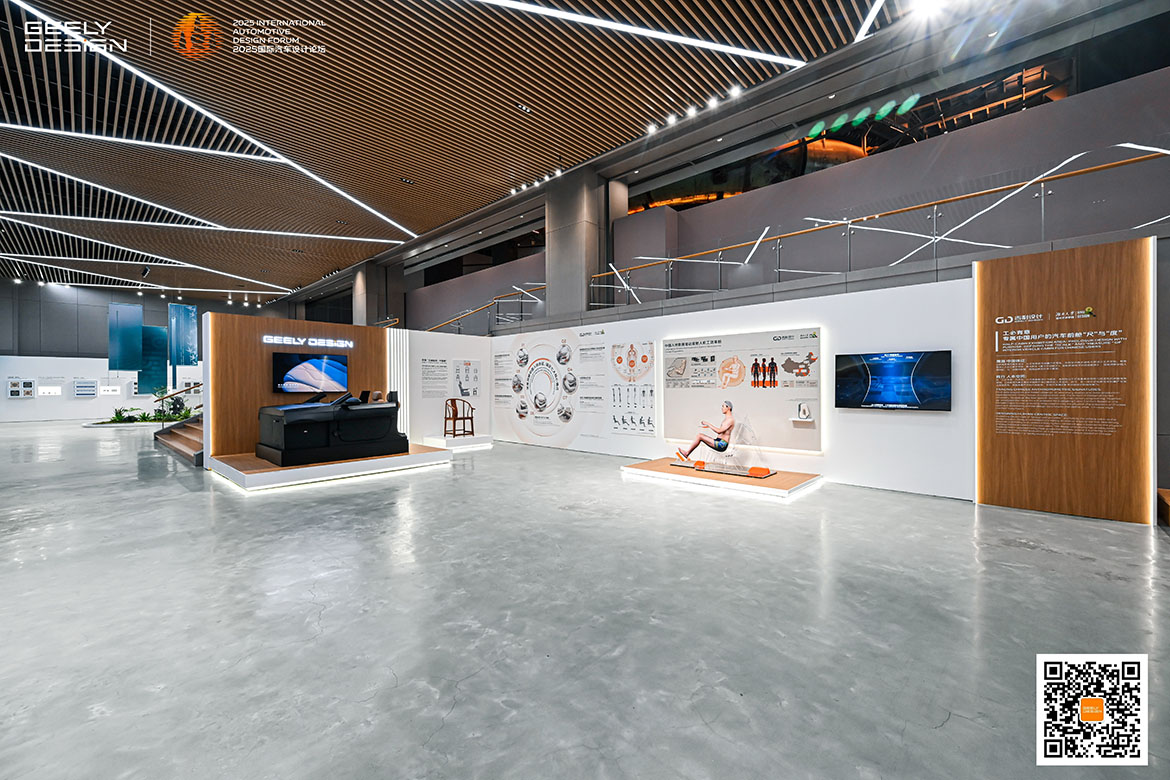
A key contribution also comes from the research on the “Chinese Comfortable Cockpit” experience, developed in collaboration with Hunan University. This initiative introduces the first cockpit dimension system specifically designed for the Asian body type, overcoming the limitations of Western standards and redefining comfort as a concept centered on the car serving the human body, aimed at preventing compensatory postures. Completing the picture is the Geely Galaxy Typeface, a proprietary font that integrates Chinese aesthetic principles with Western alphabetic structure, reinforcing the coherence of the brand experience.
The International Automotive Design Forum also serves as a platform for dialogue between leading academics and international industry experts, following an advanced model of industry-research integration. This journey began in 2023 with the 10th anniversary of Geely Design, under the theme “Good Design: The Power to Change the World”, when the first edition of the White Paper on Research of Chinese Automotive Design Discourse System was presented. That document laid the theoretical foundations of Chinese automotive design, marking a shift from a purely industrial manufacturing logic to a broader vision of “industrial civilization.”
The path continued in 2024, again in Shanghai, with the forum “Chinese Design – Global Aesthetics” and the second edition of the White Paper. This evolution integrated theory and practice, strengthening the research system and proposing design solutions that combine global perspective with Eastern wisdom. It represents a crucial step in the transformation from “Made in China” to “Designed by China”, with the declared ambition of influencing the aesthetics and values of contemporary automotive design.