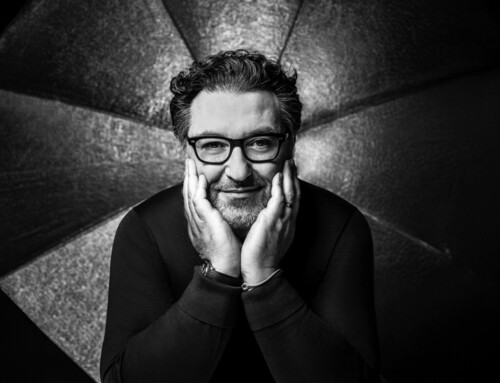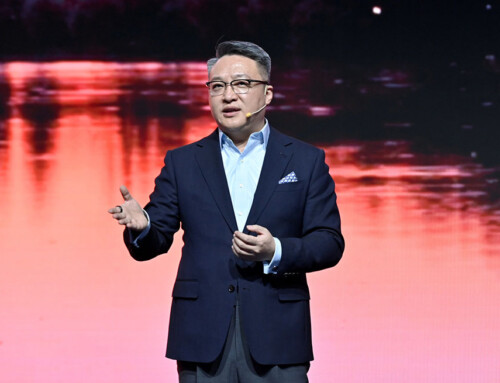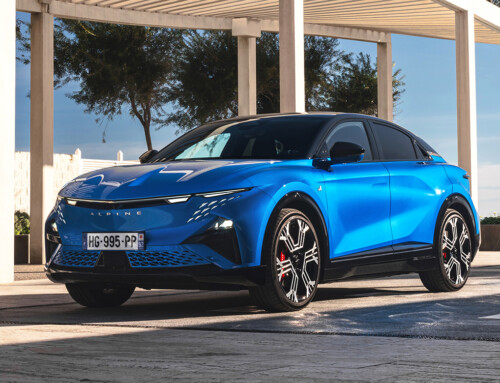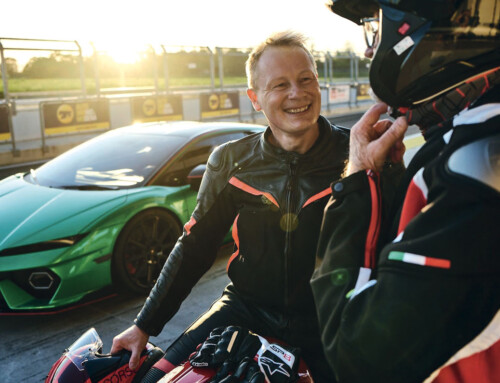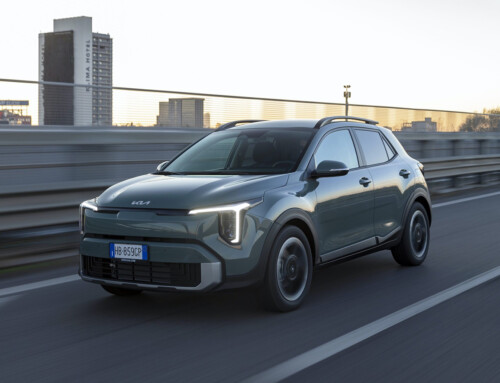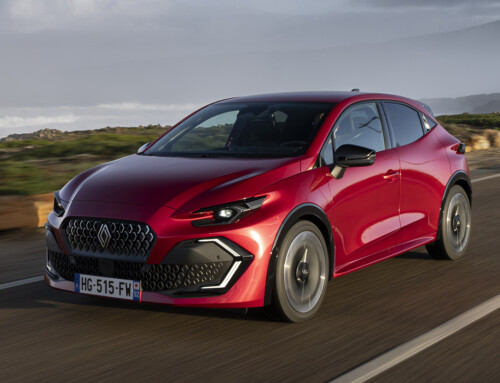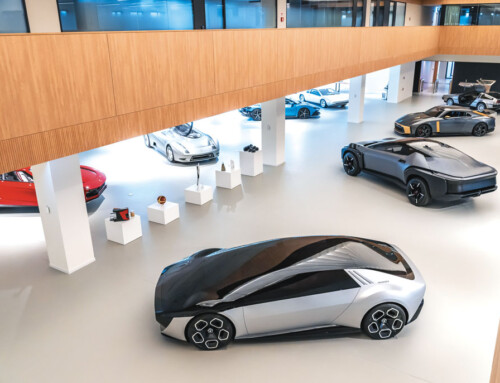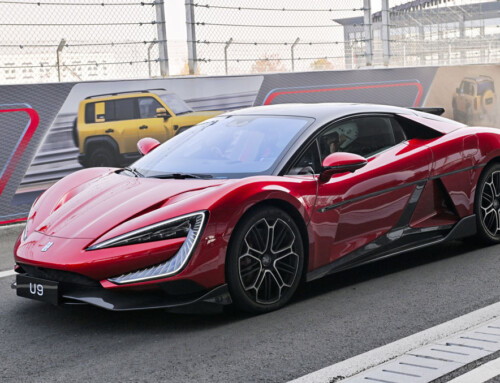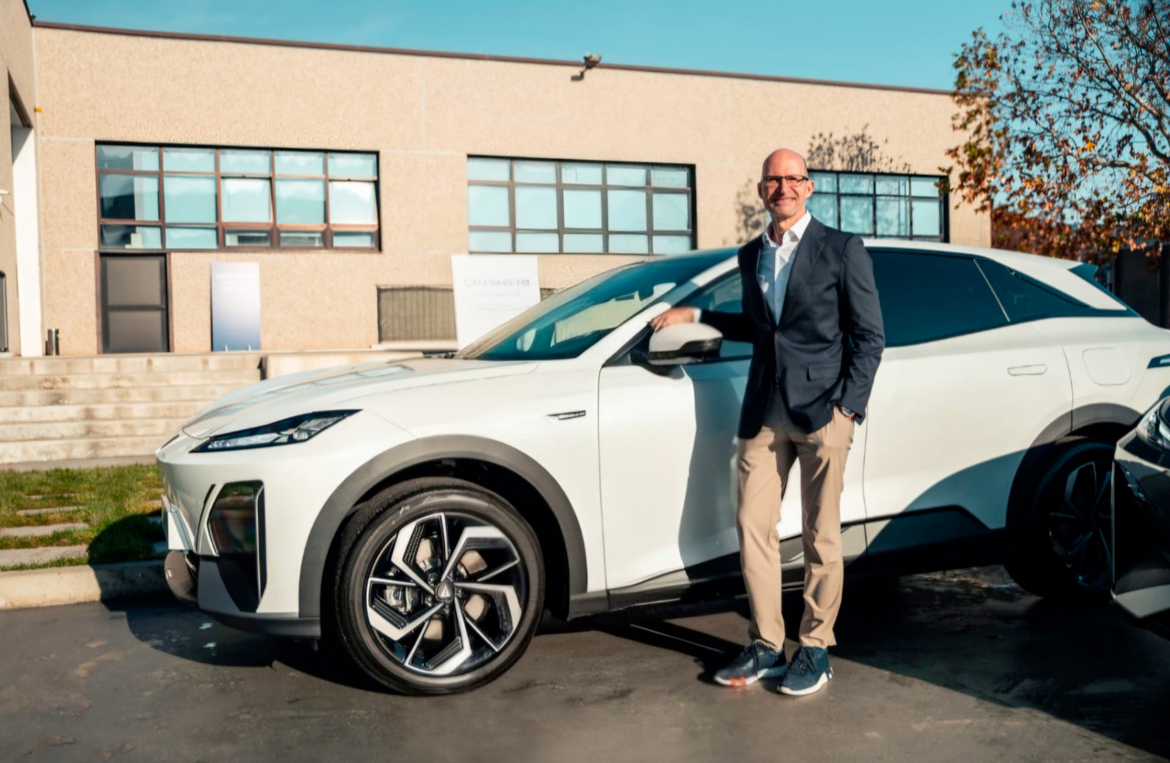
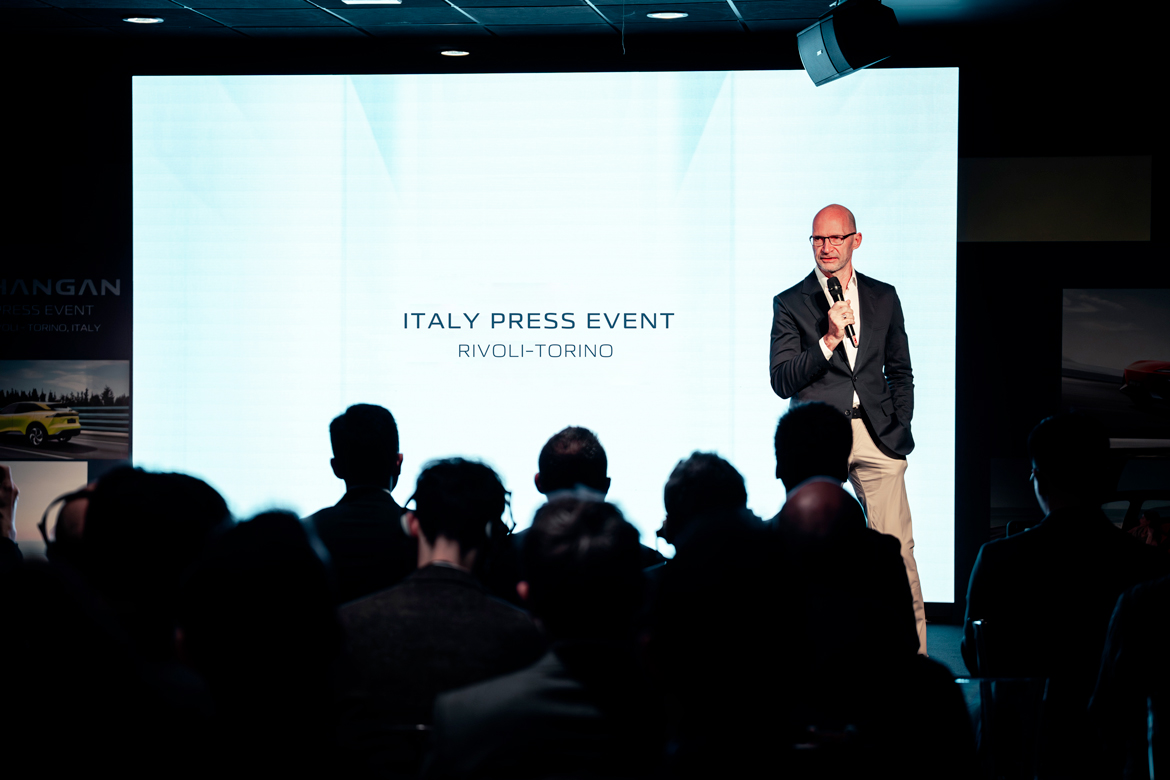
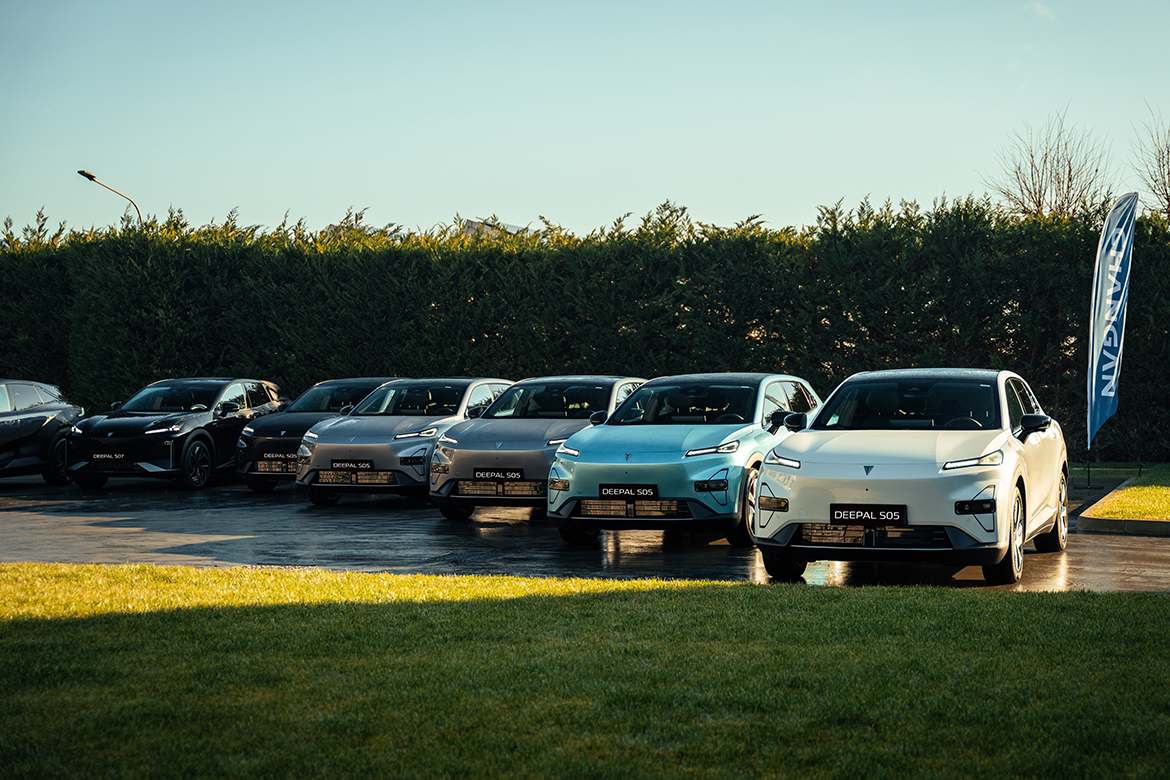
We meet Klaus Zyciora, Vice President and Global Head of Changan Design, at the headquarters of the Design Center Europe in Turin, on the occasion of the Italian launch of the Changan Deepal S05 and S07 models, developed right in the studio that the Chinese group opened in Italy over twenty years ago. He tells us about his experience at Changan. “I joined Changan in October 2023. A little more than two years, although it seems six: in China everything happens at an extraordinary speed. It has been an adventurous and very inspiring journey so far. I am a member of the board, and my first task was to build a large design team within our global creative layout, spread across several countries, with the aim of creating great quality cars. At the same time, I also bring a European perspective on broader issues, such as brand positioning and the development of commercial networks. For me it is a big learning curve, which goes beyond design and touches many other disciplines.”
How is the Changan design center network organized?
“If we look from east to west, we start from Japan, then we have Shanghai with our new Next Lab, then Chongqing, which is the headquarters with about 450 people. In Europe there are Munich, with Avatr Design, and Turin, which is one of our largest hubs, with about 320 professionals. Overall, the network is extremely international: people of over 30 different nationalities work with us. It is a huge added value and shows how Changan has long understood the strategic importance of design.”
Changan operates several brands. What is their identity?
“Electrification and digitalisation have opened up new mobility territories and attracted new technological players. Changan, however, is also one of the oldest OEMs: founded in 1862, it entered private mobility in the early Eighties and has already delivered over 30 million vehicles worldwide. In this context, brands must reinvent themselves. Avatr is our most advanced brand in terms of vision: it is positioned as “Emotional Luxury”, with a strong focus on hi-end technology, connectivity, ADAS and construction solutions such as gigacasting. They are highly iconic and emotional cars, developed in Munich under the leadership of Nader Faghihzadeh, in close collaboration with Huawei and CATL. Deepal, born in 2022, is a young, technological and highly commercially successful brand. It already has a wide portfolio – sedans, SUVs, of different sizes and configurations – and is particularly appreciated by an under-30, tech-savvy audience, looking for fresh and distinctive products. Finally, Nevo is the mass-market brand: balanced proportions, a good mix of dynamism and functionality. Here too we are talking about very recent products. The Nevo A06 sedan, for example, sold 30,000 units in the first months, thanks to a very competitive value proposition, based on the new SDA platform, great roominess and high safety standards.”
Where are the cars designed?
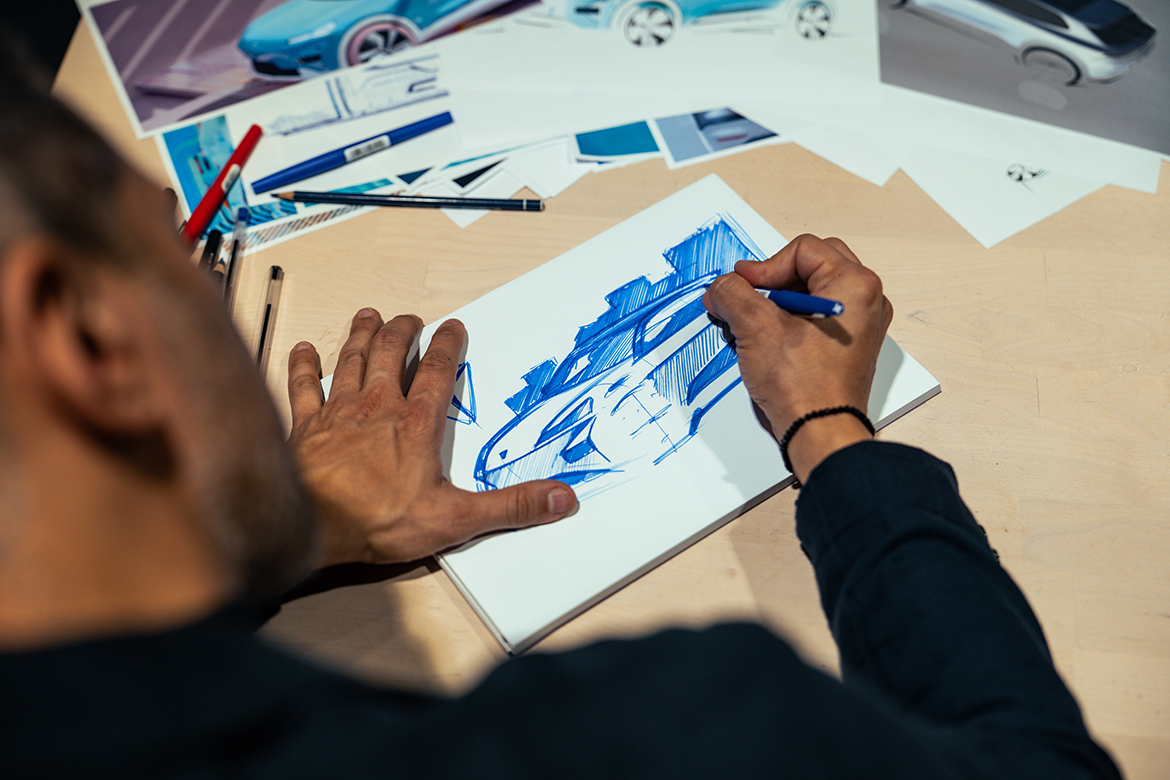
«Avatr is mainly developed in Munich, while Deepal and Nevo were born mainly in China and here in Turin. But the key point is the continuous collaboration between the style centers: we exchange concepts, ideas and visions. This internal competition, which I have experienced throughout my career, is extremely healthy and leads to better results.”
What are the sources of inspiration for these brands?
“They are global, but always adapted to individual markets. One of the features that sets Changan apart from Western OEMs is the huge focus on the voice of the customer. In China, there are digital platforms that allow a continuous exchange between customers, engineers, service and management, up to the highest levels. Feedback on an OTA feature or update comes in real-time, and changes are implemented within hours. It’s an approach based on agility and speed.”
Would a similar model be possible in Europe, given privacy regulations?
«I think it is above all a question of cultural approach. In compliance with regulations, it is also possible to build platforms for direct dialogue with the customer in Europe. It is something that we also want to export to foreign markets: today, in many countries, you buy a car and the relationship with the brand is practically interrupted. We want a continuous connection.
Design development times are getting shorter everywhere. What is the situation like in Changan?
“The speed is partly due to a greater commitment: in China people work more, with fewer days off. But digital tools and work distributed over time zones also count a lot, which makes the activity almost continuous. Then there is a fundamental generational factor: the average age of engineers, designers and managers is very low, around 25-26 years old. They are digital natives, they work immediately, everything happens in parallel. It’s a very different approach from Europe, and I personally find it exciting.”
What is Changan’s vision for the future?
“We want to offer attractive, high-quality mobility to customers all over the world. The role of design will grow further, because technology is becoming more and more complex and opaque, almost a “black box”. Design is what makes this complexity understandable and desirable. In China, moreover, the relationship with the car is very different: the car is also a living space, a mobile living room. Users customize it, add objects, take care of materials, air quality, comfort, atmospheres. This radically changes the way we design. And this is where design becomes central in defining the mobility experience of the future.”