The exhibition “Ferrari Design. Creative Journeys 2010-2025” is the first in a series of themed exhibitions designed by the National Automobile Museum in collaboration with style centers, designers, companies, and collectors, and hosted in the new exhibition space dedicated to Car Design: 2,000 square meters that speak of industrial creativity and the design process, in an educational journey that accompanies visitors through the evolution of automotive style and product design—from iconic objects to furnishings, to the most innovative technological solutions. The new section is part of a broader project to update the visitor experience, through which the Museum has rethought the tools it uses to communicate its collection in an accessible, contemporary, cross-cutting, and sustainable way.
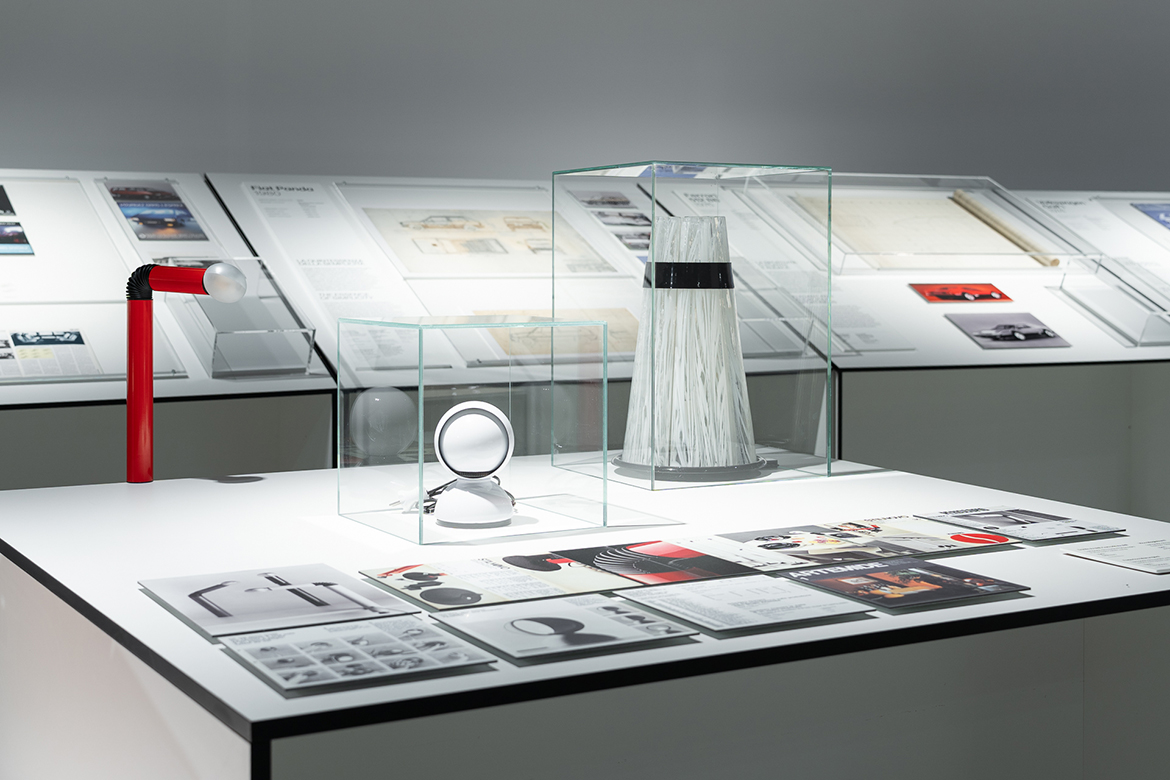
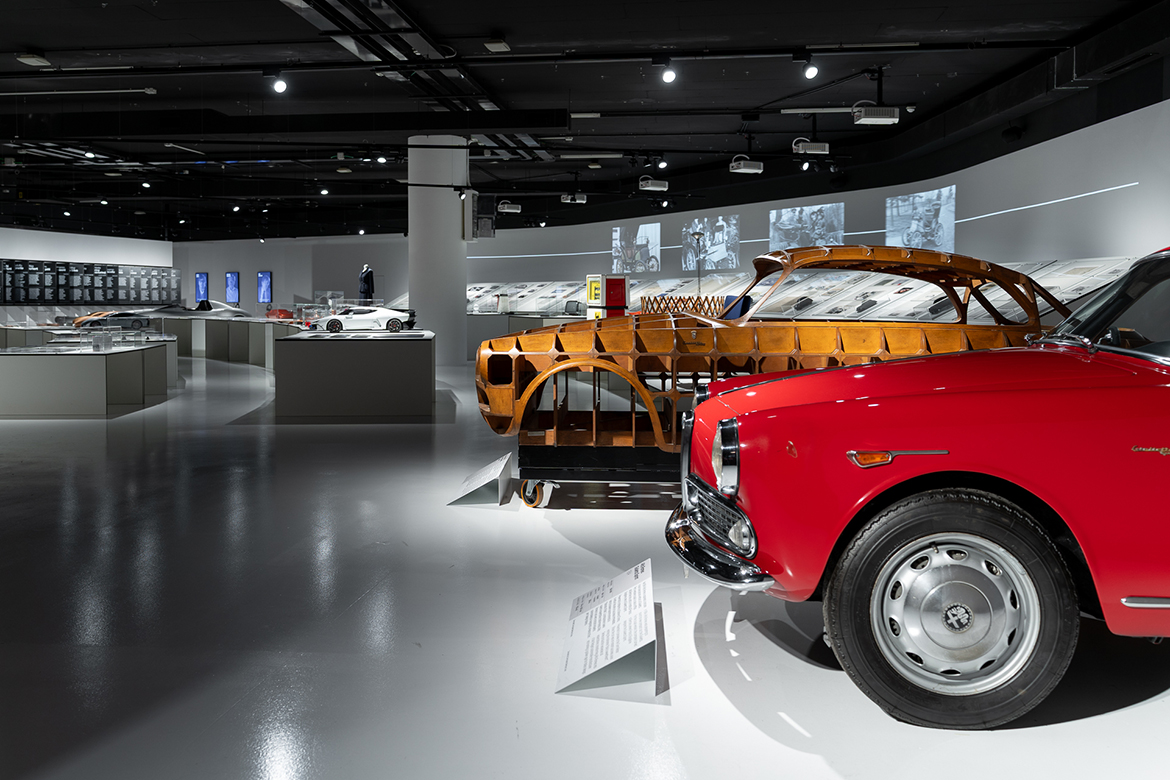
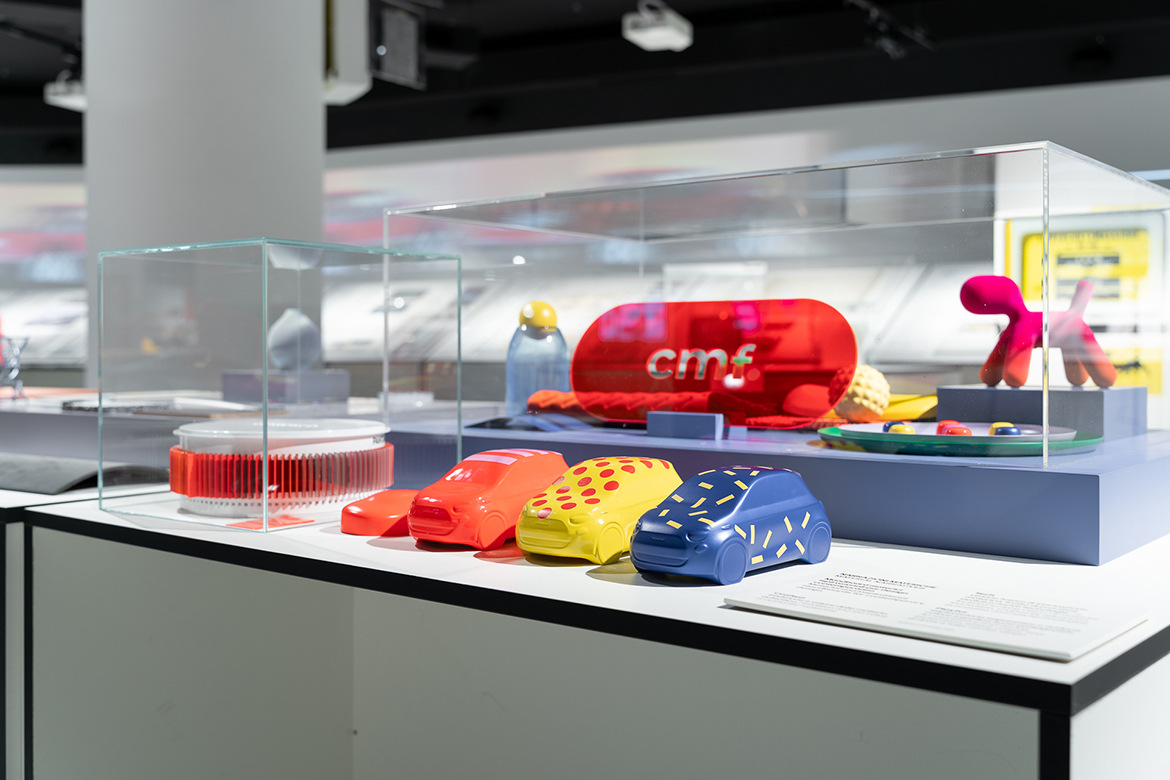
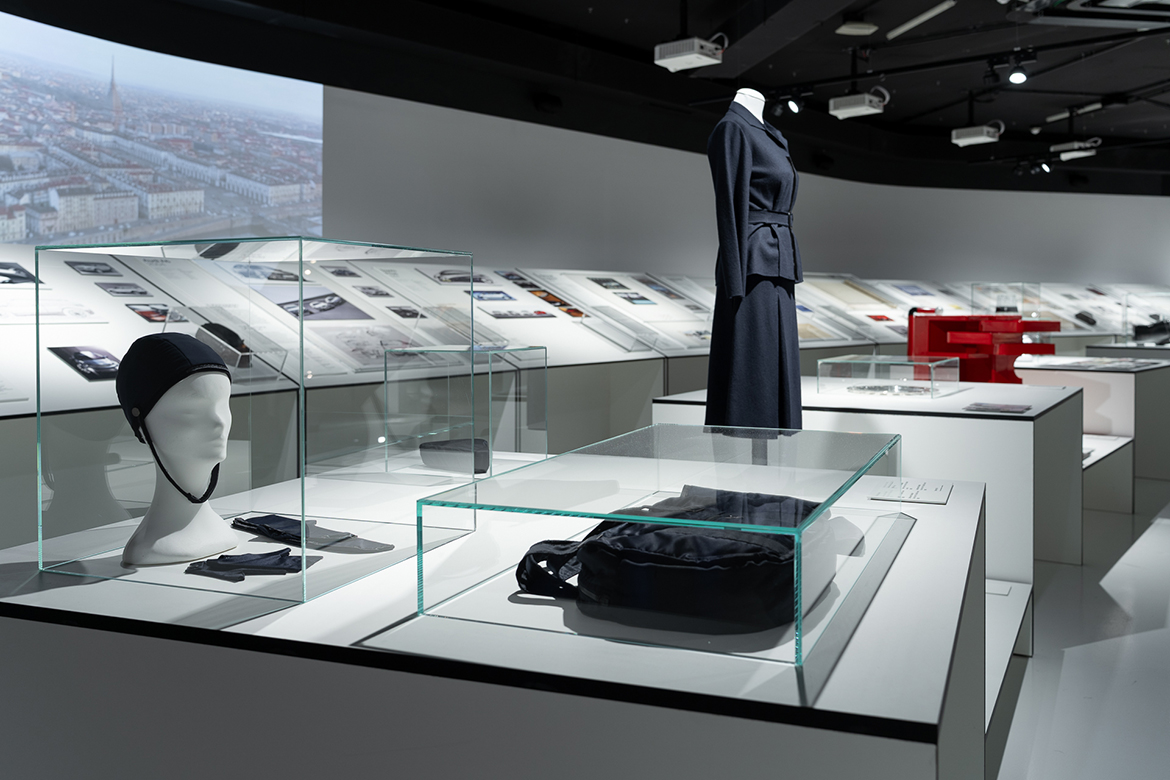
Curated by Silvia Baruffaldi, Editor-in-Chief of Auto&Design, and designed by Studio Librizzi with Leftloft for the multimedia installation, the section covers almost 2,000 square meters and includes space for temporary exhibitions and a permanent educational area, created in collaboration with Triennale Milano for the section dedicated to product design. The exhibition layout unfolds through a sequence of fan-shaped surfaces that mark the route and house a selection of objects, models, and documents. Each element becomes a stage in a narrative that goes beyond the technical boundaries of the automobile to touch on design and industrial production, fashion, graphics, and the visual culture of its time. From product conception—with the creative process that transforms an intuition into a concrete model—to the transformation of automotive style over time, the gaze broadens to encompass the changes in society and technology that have influenced, and have in turn been influenced by, the automobile.
Twelve case studies of significant cars in the history of car design – the 1899 Fiat 3 ½ HP, the 1936 Lancia Aprilia, the 1955 Citroen DS, the 1957 Fiat Nuova 500, the 1974 Volkswagen Golf , the 1976 Ferrari 512 BB, the 1980 Fiat Panda, the 1984 Renault Espace, the 1997 Toyota Prius, the 2004 Audi A6, the 2011 Range Rover Evoque, and the 2021 Hyundai Ioniq 5 – mark the fundamental stages of this evolution, while a selection of industrial design objects relates the aesthetics of the car to the languages of costume and culture. The story is completed by a spectacular multimedia projection on the wall that recounts the morphing—the evolution of forms—and a series of interviews with the protagonists of car design—designers, coachbuilders, entrepreneurs—who, with their creativity and vision, have contributed to making Turin an international benchmark for automotive style and innovation.
The section dedicated to product design has been created in collaboration with Triennale Milano, which has loaned numerous items from its collections, and curated by Marco Sammicheli, curator for design, fashion, and crafts at Triennale Milano and director of the Museo del Design Italiano. Among the objects on display are masterpieces such as the Poltrona Tre Pezzi armchair by Franco Albini and Franca Helg (1959, Cassina), the Mezzadro stool and the Toio lamp by Achille and Pier Giacomo Castiglioni, the Algol TVC11 portable television by Marco Zanuso and Richard Sapper, the GA45 Pop record player and the Divisumma 28 calculator by Mario Bellini, the Eclisse lamp by Vico Magistretti, the Boby serving trolley by Joe Colombo, and a selection of objects from the “I like Bike” series by Monica Bolzoni. These pieces, together with furniture, lamps, technological instruments, and iconic objects, offer visitors a journey through the evolution of industrial and product design, highlighting creativity, functionality, and innovation.
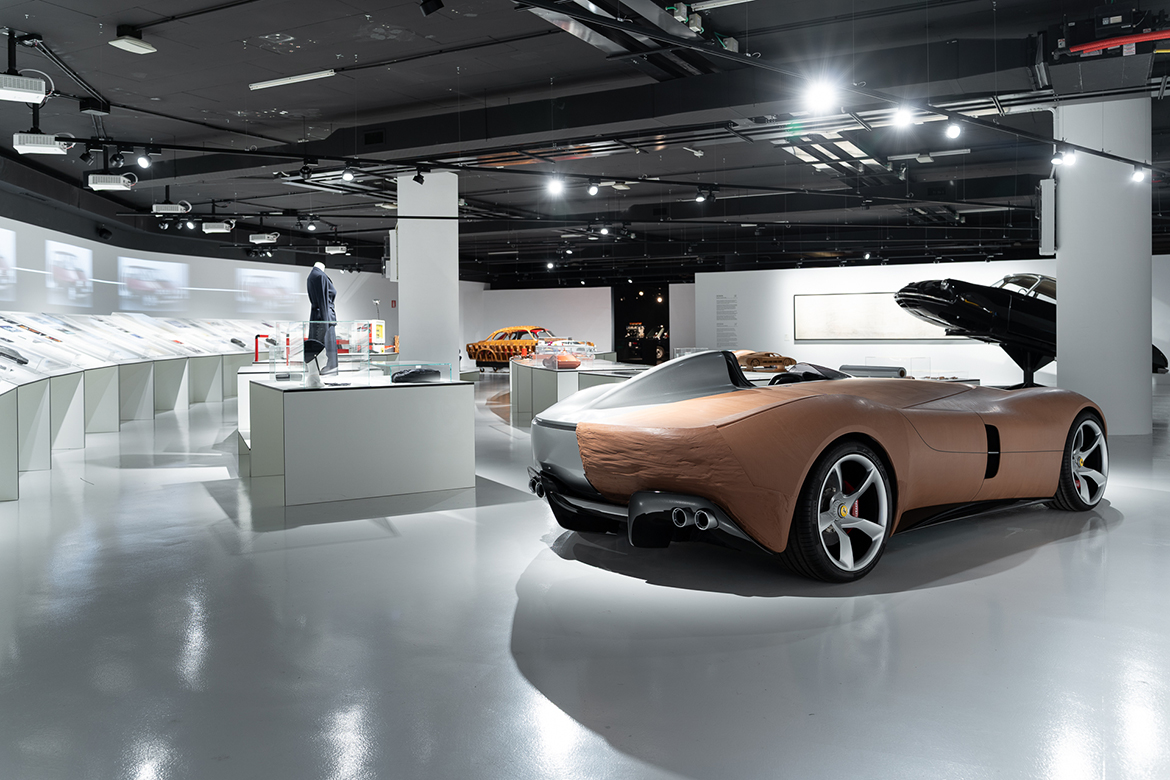
The selection of cars on display in this room recounts over sixty years of evolution in car design, through models that have marked the history of the automobile for their technical, formal, and cultural innovation. From the 1954 Giulietta Sprint, created by Franco Scaglione for Bertone, a symbol of elegance and industrial rebirth in post-war Italy, to its wooden “Mascherone” (mask), a precious testimony to the craftsmanship that preceded the construction of the bodywork, the exhibition opens with a tribute to the excellence of Turin design. Next, the 1955 Citroën DS 19, designed by Italian Flaminio Bertoni, revolutionized the very concept of the automobile with its fluid, aerodynamic lines, becoming an emblem of modernity and technical progress. The journey ends with the Ferrari Monza SP1, a 2018 style model that reinterprets the racing barchettas of the past in a contemporary key, blending historical memory and futuristic vision.