My conversation with William Thorogood, Head of Design, New Business at the Lego Group, is perhaps one of the most interesting chats I’ve had in recent years. Perhaps because of the passion I share with many for Lego (for those who don’t know, a portmanteau of the Danish Leg Godt, meaning ‘play well’); perhaps because it’s a company from the country where I live, and one of its most iconic. Or perhaps because it was a chat between two people who share a passion for Lego and cars. A symbiosis that he embodies, and which also looks towards a continuous synergy between design, marketing, engineering and, indeed, the ability to inspire a vast audience.
Lego Speed Champions
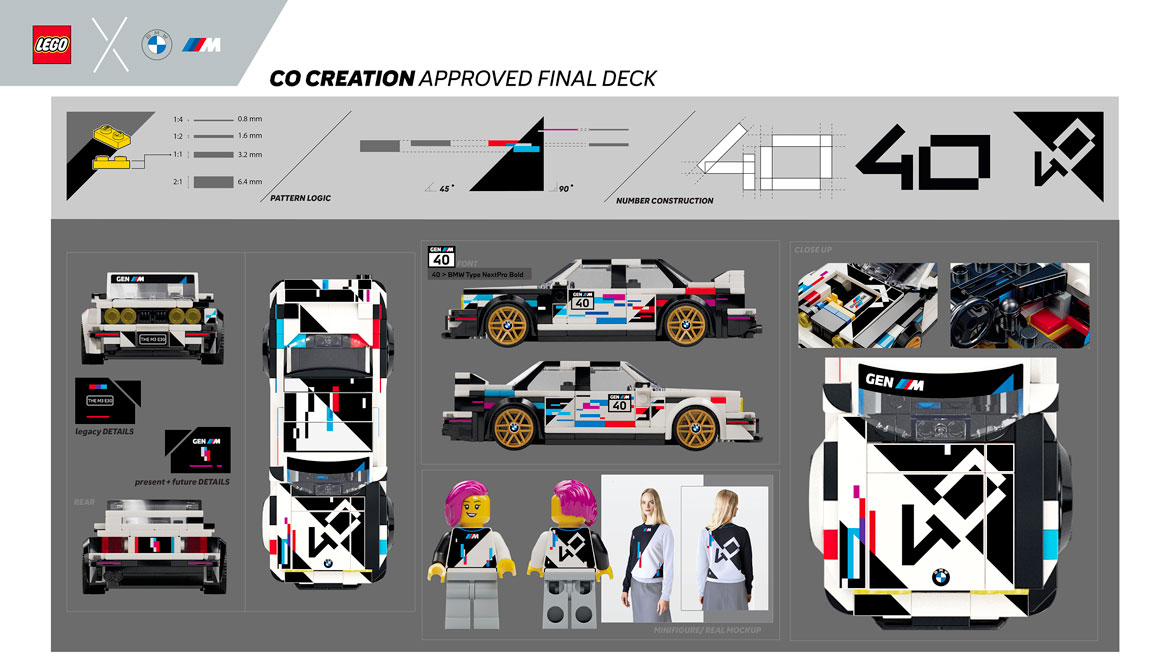
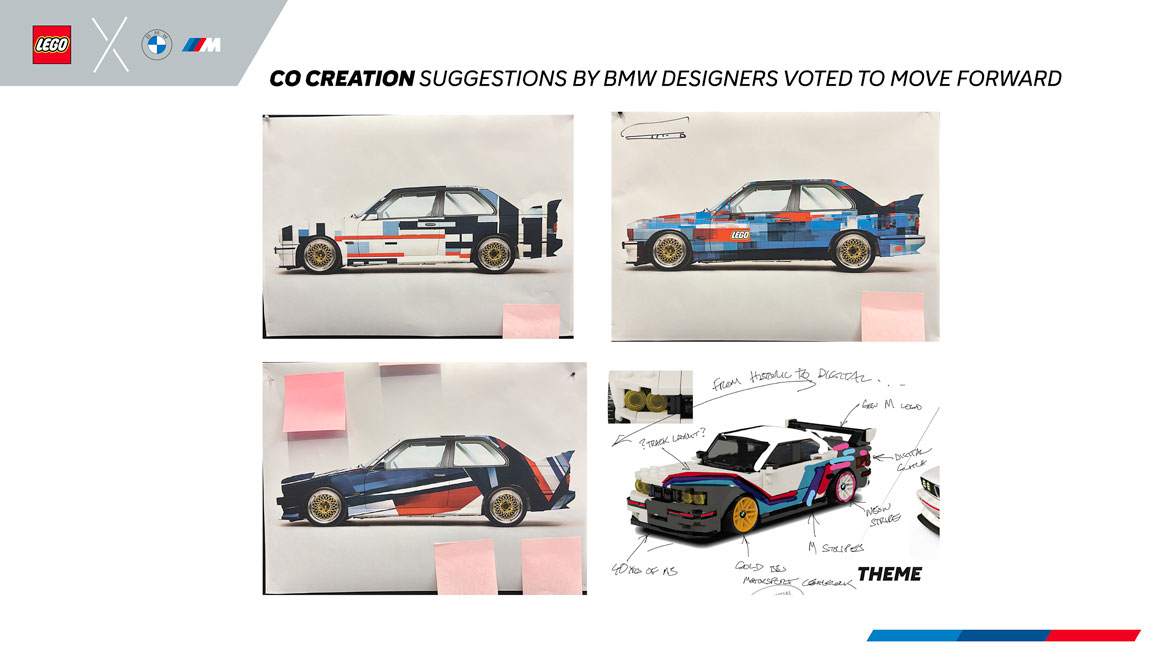
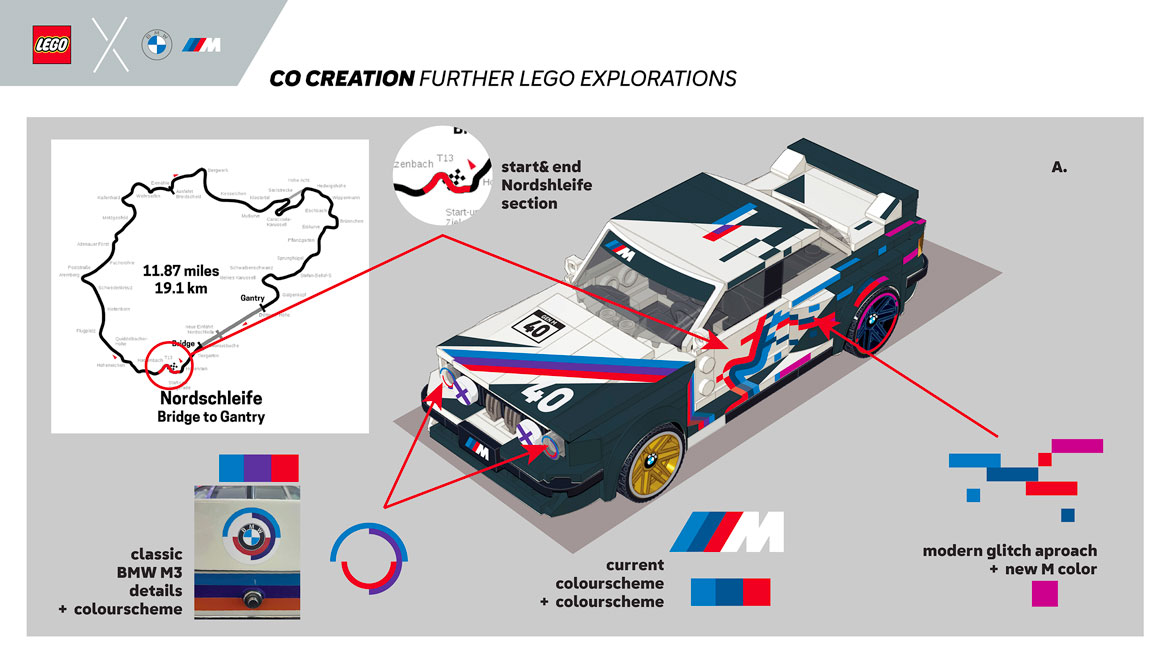
Among the most fruitful is the partnership with BMW, recently enhanced by a tribute to the BMW M3 E30 to mark the 40th anniversary of this model. Part of the Lego Speed Champions series, this new collaboration features an exclusive livery co-created by the design teams of both companies, inspired by BMW M Motorsport. The 358-piece kit faithfully reproduces the kidney grille, rear spoiler and four round headlights characteristic of the original. Furthermore, the two design studios have worked on a full-scale show car featuring the same livery, which will be unveiled and remain on display in Berlin on 1 August 2026.
Reinventing processes
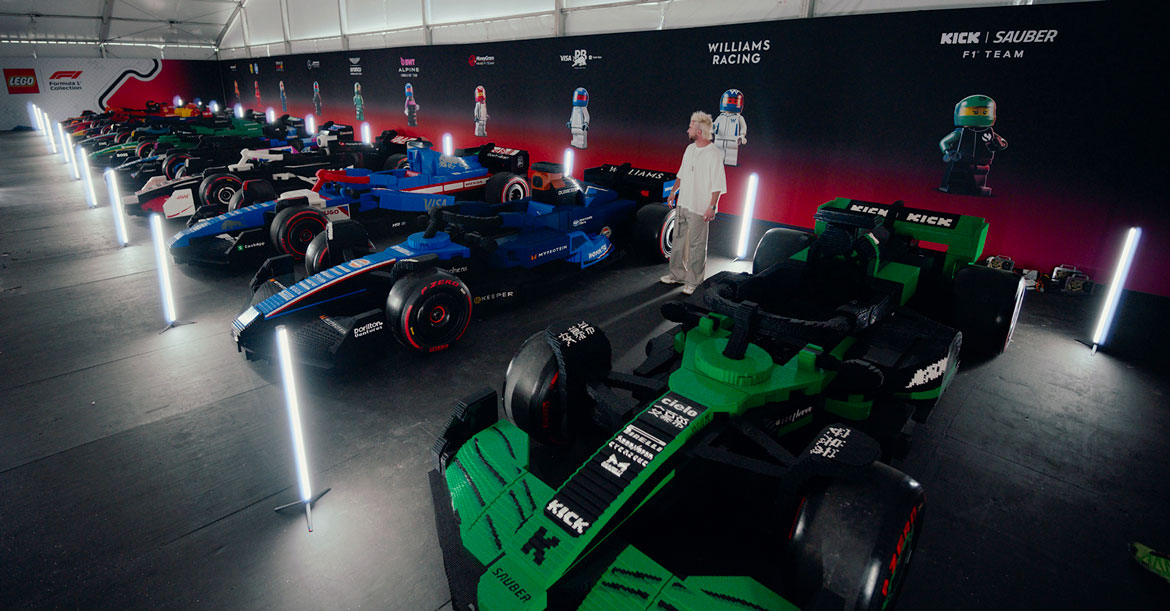
The fundamental difference between Lego and many competitors lies in the very structure of the team. “We have a model where design is fully integrated into the marketing, project management, operations and engineering teams,” says Thorogood. “It’s a single group of people that brings the project to life. We don’t design first and then figure out how to sell and produce it.”
Emotional products
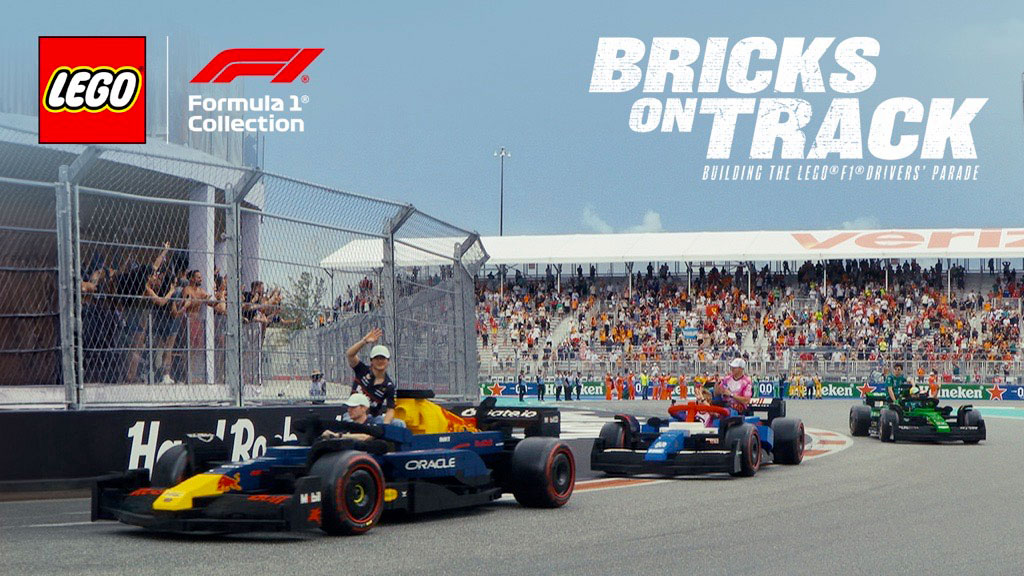
This approach rejects the traditional design-marketing-production cycle. Instead, all stakeholders work simultaneously, feeding each phase with insights from different disciplines. The result is a process that avoids the typical conflicts between creative vision and production feasibility, and allows Lego products to be, first and foremost, emotional.
The issue of sustainability
Recently, however, the issue of sustainability has also come to the fore, a challenge for those working primarily with plastic. Yet, explains Thorogood, green objectives are part of the company’s strategy to reduce its emissions. However, there is the challenge of not sacrificing what defines the brand’s DNA: the ‘Lego building experience’.
Recycling the know-how
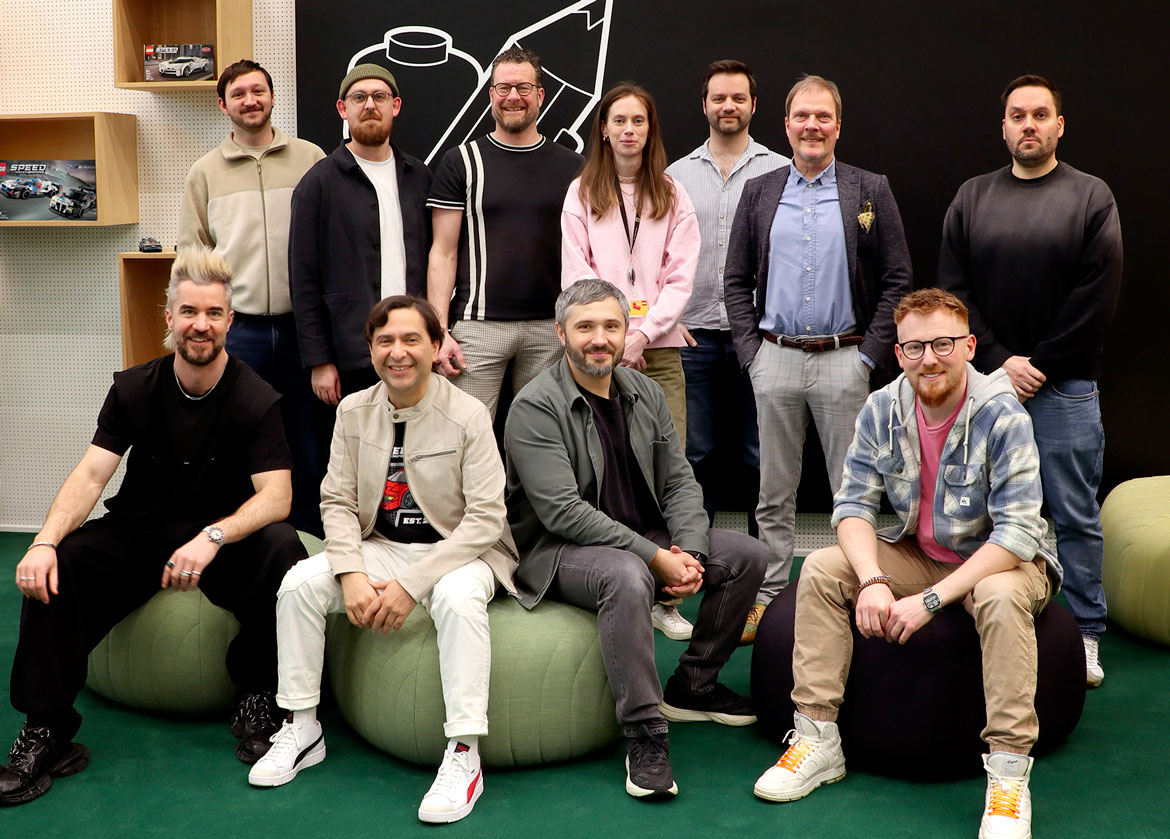
One aspect that is often overlooked in the debate on sustainability and innovation is the ownership structure, which, in Lego’s case, gives it an advantage over other companies. “As designers, one of the great privileges is knowing that we can take long-term gambles,” reveals Thorogood, who has 21 years’ experience at the company. Furthermore, “If an innovation doesn’t work, we learn from it and recycle that know-how into the next project”.
(Full article in A&D no. 279)