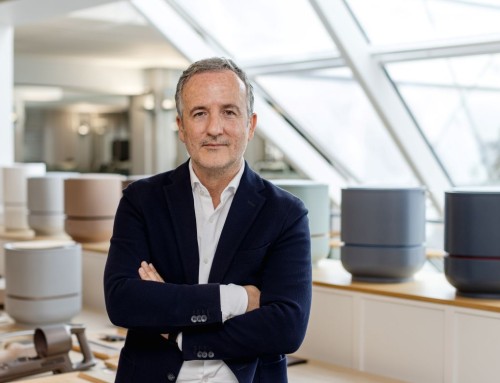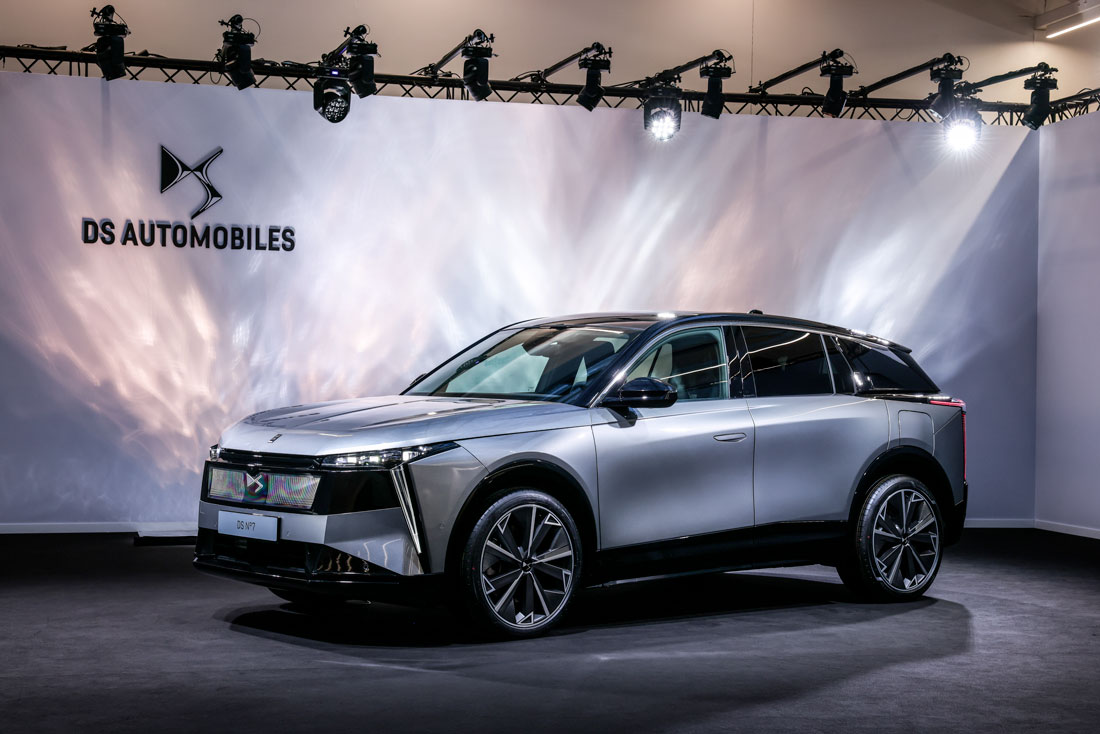
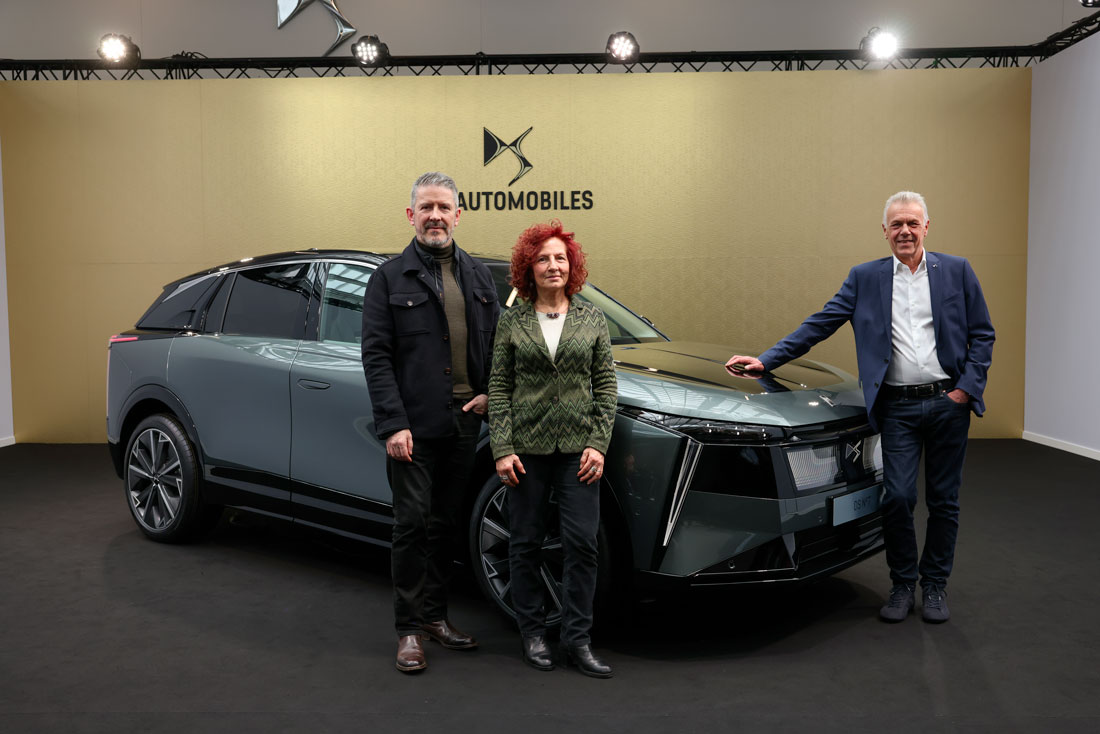
The successor to the DS 7, the best-selling model that historically accounts for almost half of the brand’s volumes, changes its name and strategy. It is called DS N°7 and bids farewell to the plug-in hybrid in favor of a purely electric range (with the E-Tense versions offering up to 740 km of autonomy) and mild-hybrid gasoline, without sacrificing a design with a strong connotation, as Gilles Vidal, Head of Design for Stellantis’ European brands, pointed out during a preview: “The C segment is fundamental, especially for premium SUVs. You have to distinguish yourself, to stand out from the crowd. That extra step was needed. For DS, the mission is to continue to produce stunning charismatic icons.”
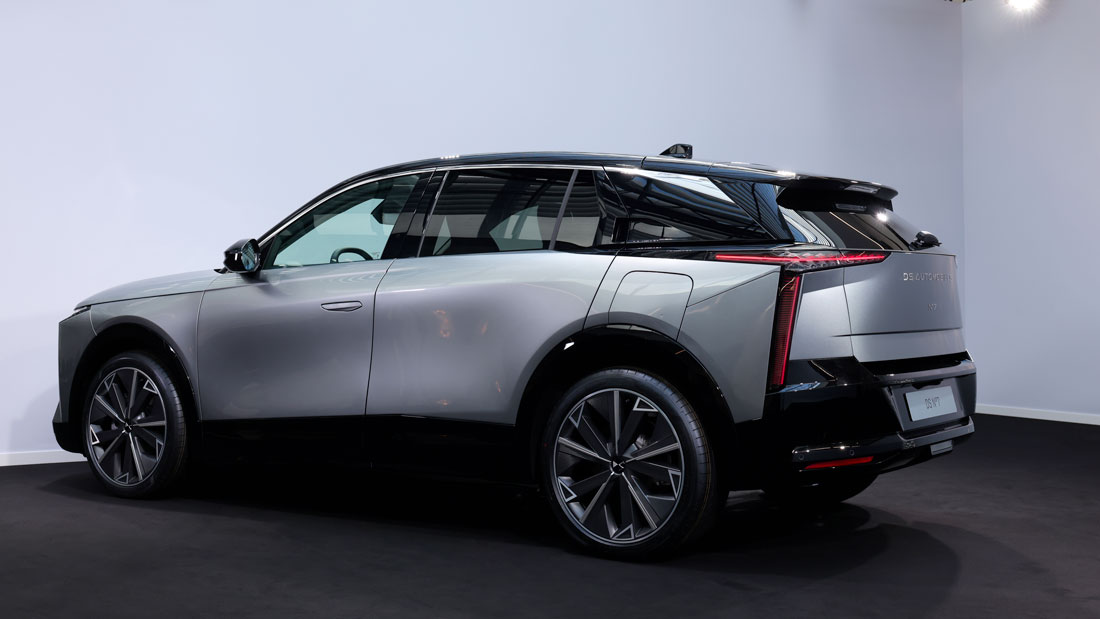
Faithful to the aesthetic-formal language of its big sister DS N°8, with its mix of sharp lines and fluid volumes, the N°7 is inspired by the explorations carried out by the design team led by Thierry Metroz with the DS Aero Sport Lounge concept and its “Aerofficiency” theme, particularly in the elegant curvature of the long roofline, further extended by the spoiler above the backlight. “It’s the effective formula to get the best aerodynamic coefficient,” Metroz observes about the Cd of 0.26. “The second advantage of this line is a roomy second row, as well as a large luggage compartment.” The latter boasts a volume of up to 560 liters, depending on the type of engine (and net of any trims, such as the enhanced audio system).
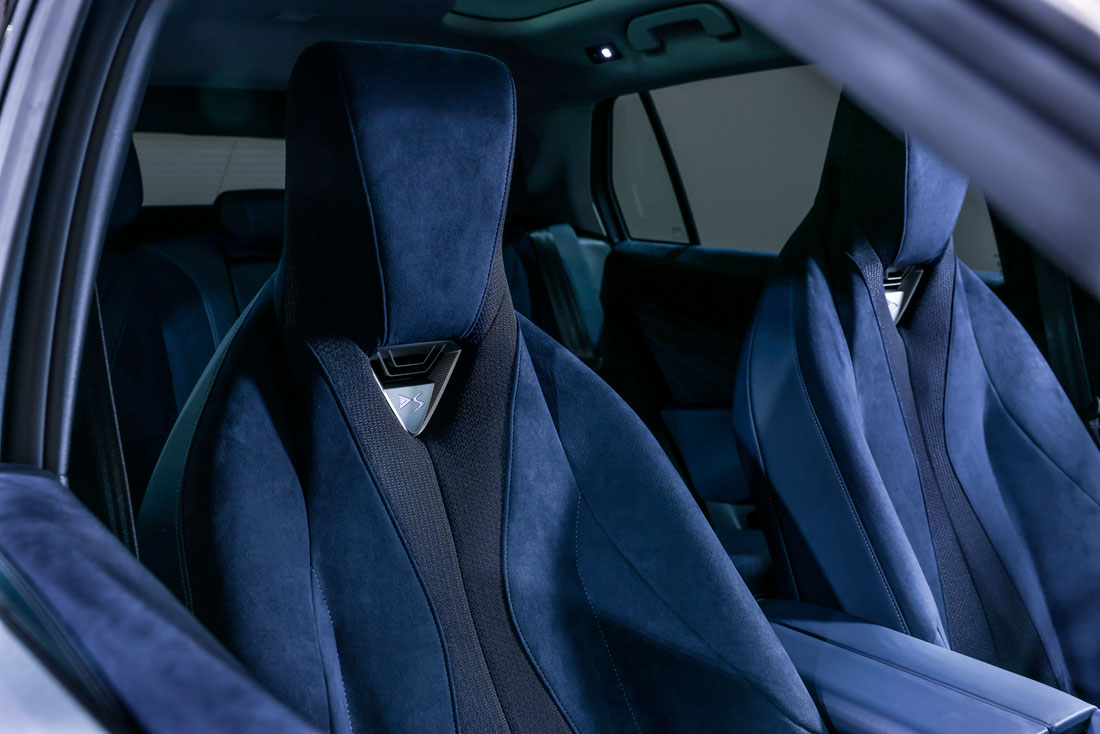
Built – like the DS N°8 – on Stellantis’ STLA Medium platform, with its 4.66 meters in length and a wheelbase of 2.79 meters, the N°7 grows by 7 centimeters compared to the outgoing model (while width and height, respectively 1.90 and 1.63 meters, are practically unchanged) and it is positioned at the heart of the premium compact SUV segment. Visibility to the outside is remarkable, compared to the previous generation, the rear doors see a 30% increase in the surface area of the side windows, while the optional panoramic roof has been expanded by 40%.
ph: ©greg
Advanced on-board technology – from the adaptive Pixelvision headlights to the Level 2 driver assistance system with predictive cruise control, up to the Iris System 2.0 interface with ChatGPT integration – and an even more spacious cabin with sophisticated and exclusive materials complete a proposal with which DS aims to regain ground in the competitive European premium landscape. 89% of the car is “made in Europe”, engines and batteries are produced in France, while assembly takes place in Italy, in the Melfi plant.
In the next issue of Auto&Design, the complete story of the work done by Thierry Metroz and his team at the DS Style Centre – don’t miss it.