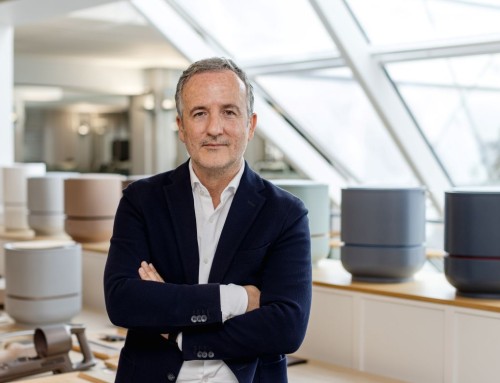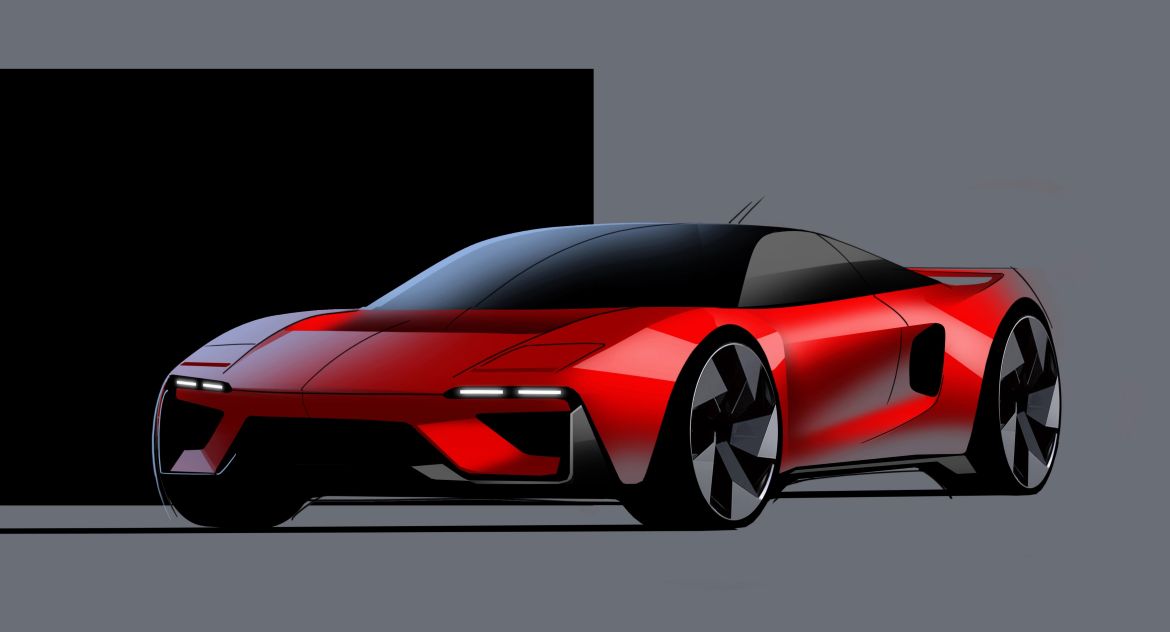
It was love at first sight between JAS and Pininfarina. When Dimitri Vicedomini, head of exterior design at the historic company renowned for Italian design excellence, admired the layout proposed by the engineers at JAS Motorsport at their headquarters in Arluno—where the scent of thirty years of racing experience fills the air—a single exchange of glances was enough to realize that the two parties were united by the same passions and the desire to embark on a journey capable of delivering thrills. Thus was born the JAS Tensei, not a restomod, but a modern reinterpretation—both stylistically and technologically—of the NSX, the iconic model launched by Honda in the 1990s to be “different,” to become a sort of more affordable “Ferrari of the East.” A project as surprising as it is refined and exclusive, not only for its starting price (880,000 euros, plus the cost of the original vehicle, which can be increased with exclusive customizations up to 1.5 million euros), but also for its limited production run of 35 models plus a special series, featuring references to Ayrton Senna (who participated in the development of the NSX) and the Japanese flag.
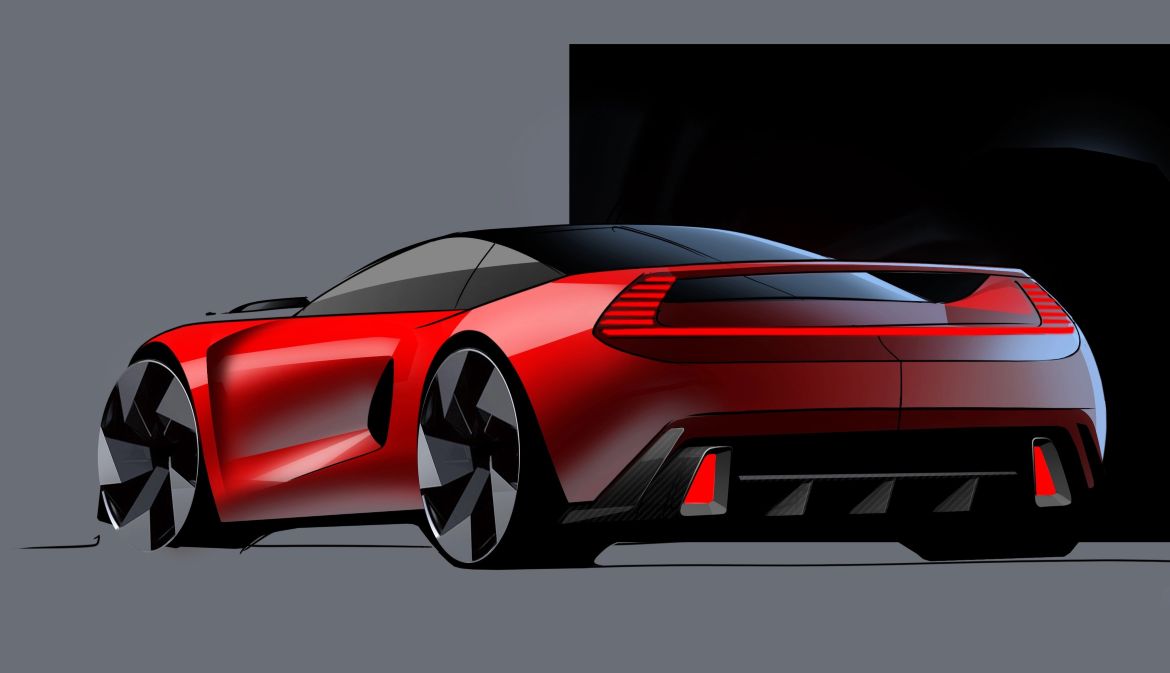
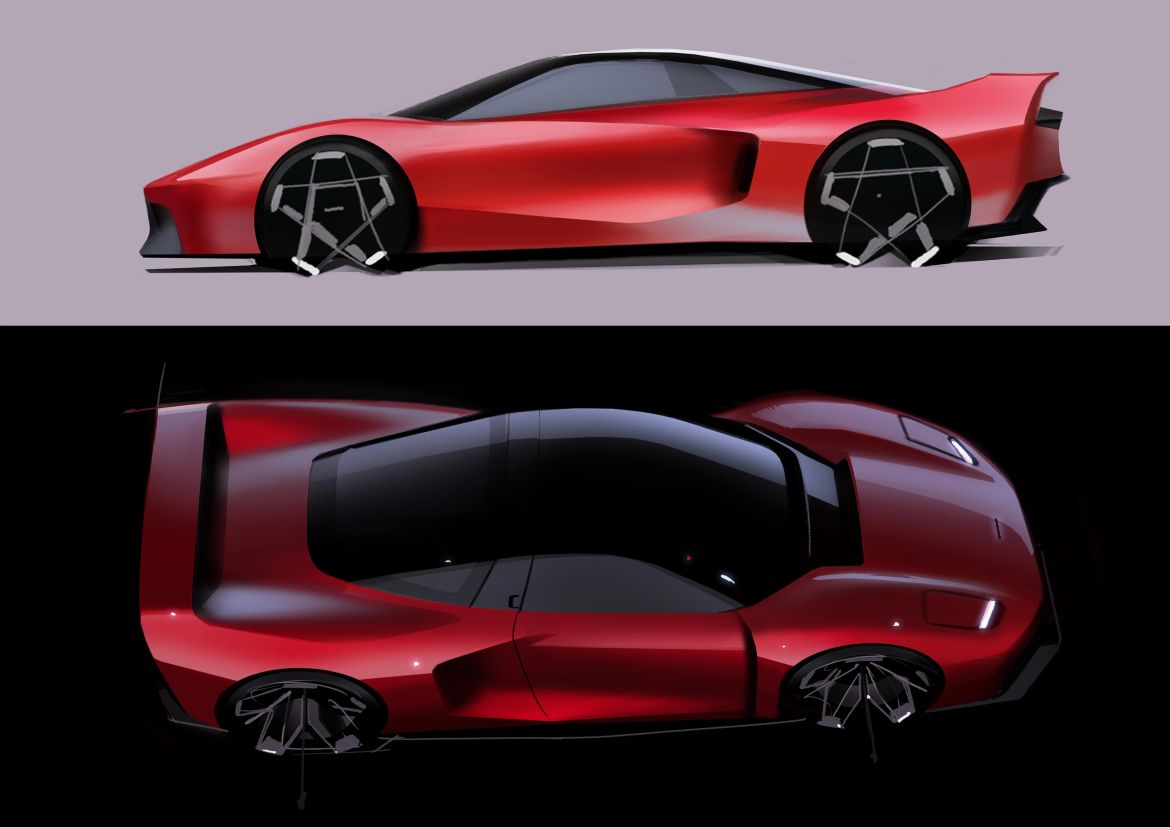
In Japanese, “Tensei” means rebirth, but in reality it is JAS’s first high-performance road car, and without a doubt (in the words of Maurizio Ambrogetti and Giorgio Schon, two of the company’s founders, which also boasts a longstanding partnership with Honda in racing) they wanted Pininfarina’s design house by their side, ready to throw its heart and soul into “the project that had been missing for so long,” even though the company operates in numerous design sectors. An explosion of proactive and dynamic enthusiasm, an immediate connection, as Dimitri Vicedomini explained: “There was no shortage of debate, but it always led to shared solutions, defined almost down to the millimeter: in the proportions, with a length of 4.42 meters and a width of 2 meters; in the rear, redesigned to taper and accentuate the dynamic effect, along with a rear window redesigned to blend more fluidly. The choice between a traditional instrument cluster and a more modern one also sparked debate, dividing the most loyal NSX enthusiasts, but helping to clarify the design direction.”
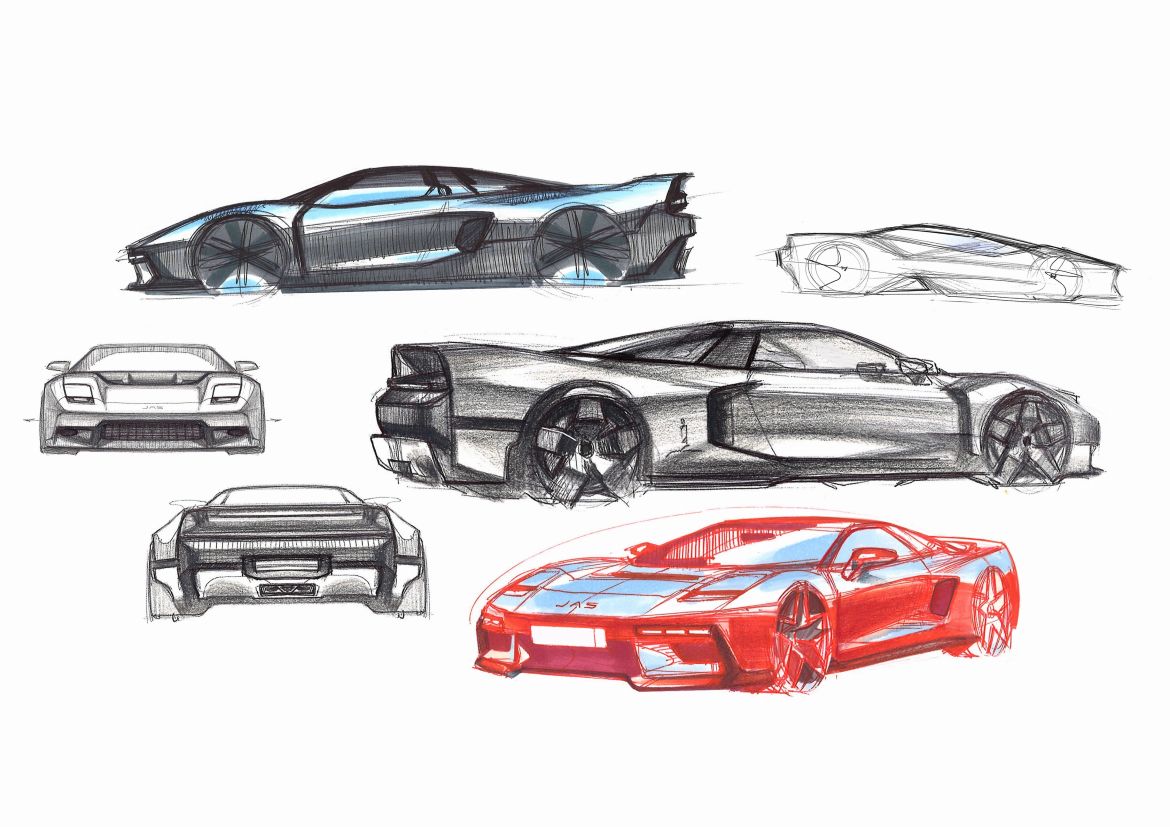
A single day wouldn’t be enough to fully understand the evolution of the project: “We explored several avenues, as the early sketches show, because—since we didn’t yet know the layout—we were looking for ways to modernize a model with thirty years of history without losing its essence. When we were in Arluno and the engineers showed us the layout, we saw how it alone conveyed the object’s modernity, and it felt natural to create a blend with a style as close as possible to the original.” That’s where the development began. Amid a celebration of modern styling and technology suited to today’s world, there’s a touch of the past: “No one realized that there’s a part identical to the original,” says Vicedomini, “the roof, windshield, and side windows are intact, with the aluminum frame, but the whole gives us a more modern interpretation. JAS was the perfect client, the kind everyone would want to have.”
The JAS Tensei is expected to hit the roads between September and October. From day one, the model has been painted red, a color beloved by Honda (along with white). The curb weight remains under 1,200 kg, featuring an original design with an aluminum chassis, retractable headlights, and a new integrated rear wing, along with extensive use of carbon fiber, new dimensions for wheelbase (2.59 meters), track width, and wheels (19-inch front and 20-inch rear), a low stance, and a shortened rear overhang. The powertrain is a 3.5-liter naturally aspirated V6, a direct descendant of the iconic first-generation NSX engine, paired with a 6-speed manual transmission, delivering 425 hp and 350 Nm of torque, with a Brembo braking system. The interior has been completely redesigned, featuring ergonomic or racing-style seats, with details developed in collaboration with JAS and its partners, including custom materials and finishes, color combinations, and specific configurations.