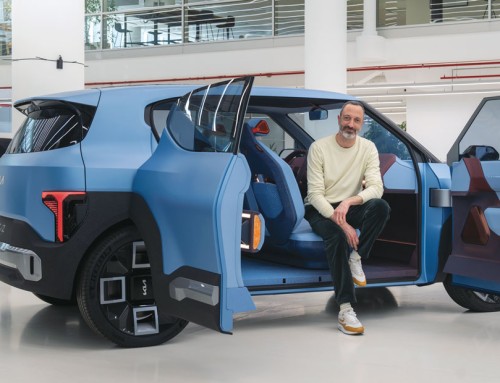
The Hyundai Ioniq 3 is not just another step in the brand’s electrification strategy, but the result of a philosophy that places the user and their aspirations at the heart of the creative process. For Hyundai, compact mobility isn’t about compromise, but about greater attention to detail and a more intimate experience.
Nicola Danza, Head of Exterior Design at Hyundai, explains the vision behind the project: “It’s designed around their lifestyles, their needs, their different mindsets, and their ambitions. The approach is customer-centric: in compact mobility, we seek not only the smallest dimensions but also the most meticulous attention to detail, the most intimate experience, and—in reality—the closest connection to all of our daily lives. At Hyundai, we never create a concept just for the sake of it; it’s a tool for exploring what will eventually go into production.”
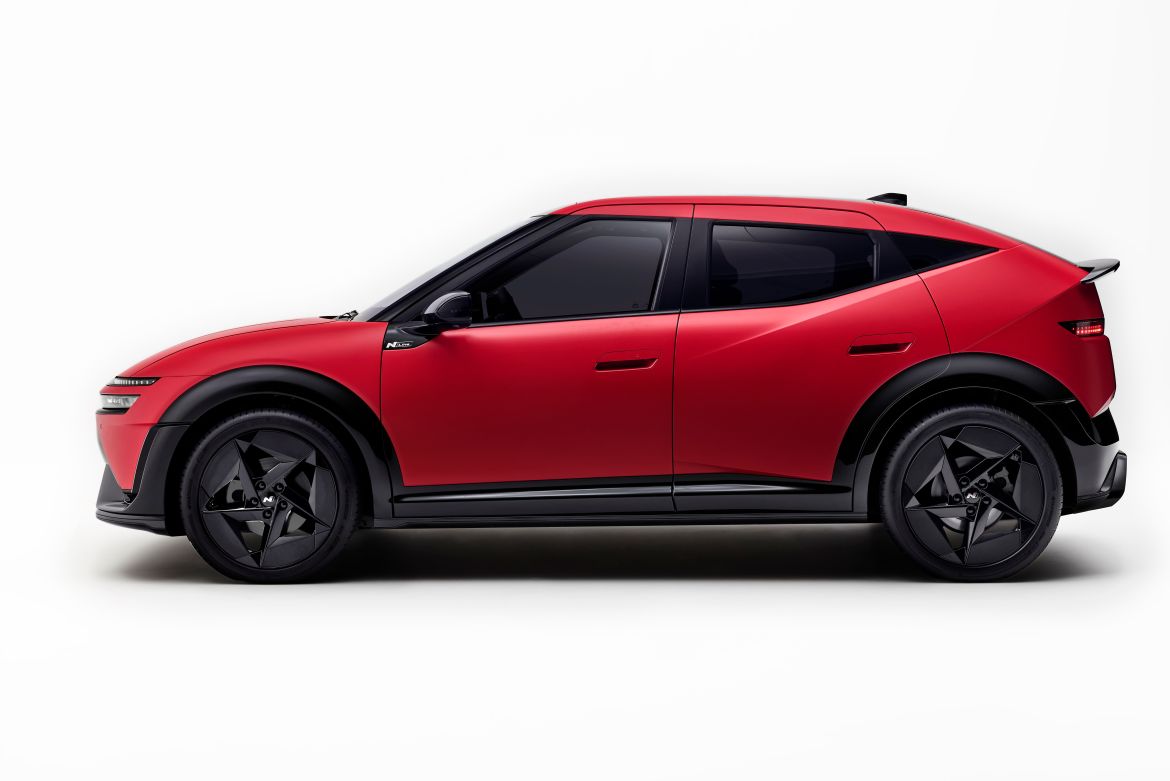
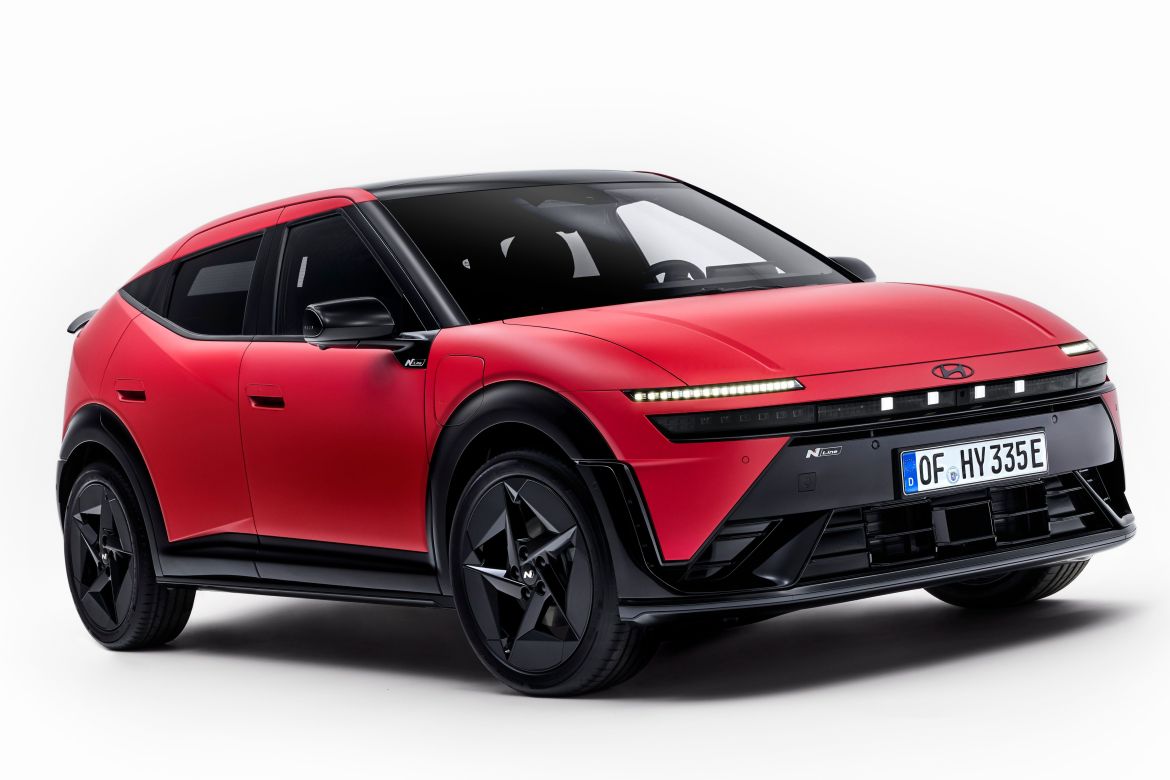
The debut of the Ioniq 3 marks the introduction of a new aesthetic paradigm for the brand, aimed at balancing aerodynamic efficiency with a strong emotional impact. A pursuit of purity expressed through the tension of the metal surfaces. “The car was born from the search for the perfect balance between movement and practicality, between efficiency and emotion,” says Danza. “To translate this balance into form, we’ve introduced a new design language we call the Art of Steel. The goal is to reduce the exterior surfaces to the essentials, letting the tension, precision, and authenticity of the materials define the car’s forms. The surfaces of the hood, for example, flow seamlessly into the fender, reflecting the behavior that the sheet metal has taken on under tension.”
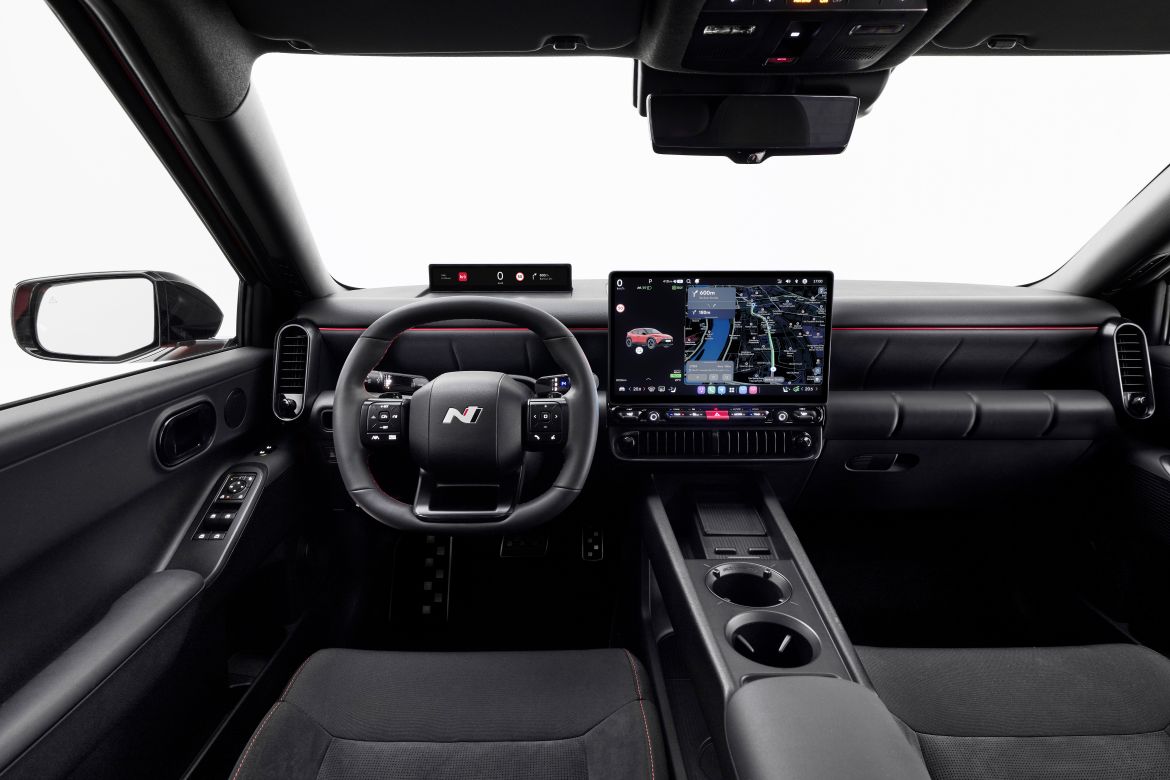
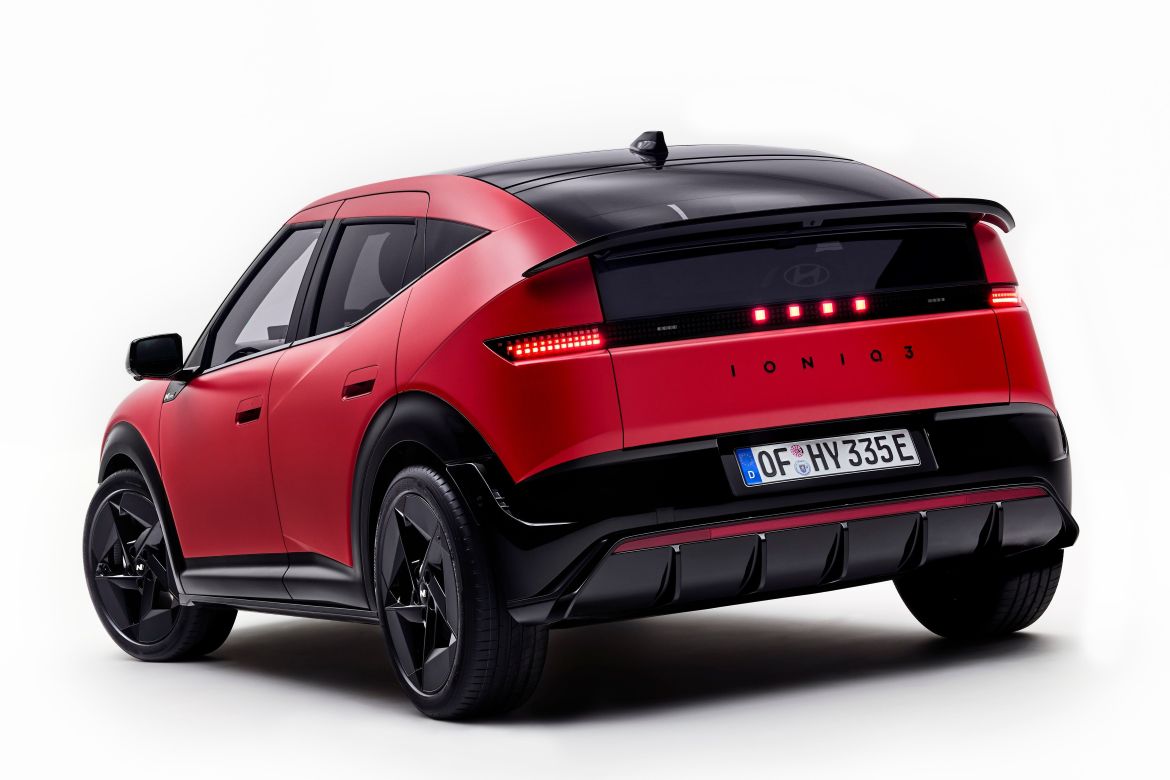
The Ioniq 3’s design breaks the mold of traditional compact cars. Thanks to its electric platform, the proportions are pushed to the extreme to maximize interior space and visual efficiency, creating what Danza calls a modern “Hot Hatch.” “It is characterized by its Aero-Hatch profile: an efficient, spacious form and an emotional interpretation of the sporty hatchback,” continues Nicola Danza. “The profile is defined by proportions specific to electric vehicles, starting with a sloping front end, a steeply raked windshield, a horizontal roof, and a vertical rear surface. This combination creates a modern look while maximizing interior space efficiency. The black front fascia and open-grille inserts reinforce the sporty impression, along with the horizontal light strip. The pixelated daytime running lights serve as a link to every Ioniq model, while the four central pixels evoke the letter ‘H’ in Morse code: a small detail but one that’s highly recognizable from a distance.”