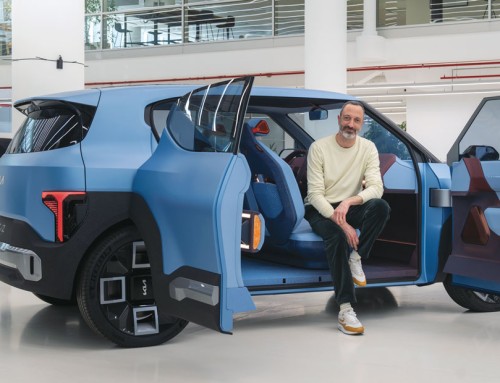
The common elements among the last three models unveiled by Kia are easy to spot. The Seltos, Niro, and XCeed—in their most recent iterations—all belong to the C-segment, share the same platform in at least two cases, and, above all, feature a stylistic and design language that draws inspiration from another model family from the Korean automaker. Kia’s new “family feeling” draws inspiration from its electric vehicles—specifically the EV3—reinterpreting the “Opposites United” philosophy coined by Head of Design Karim Habib in a less radical way that is more in line with European tastes.
Kia Seltos
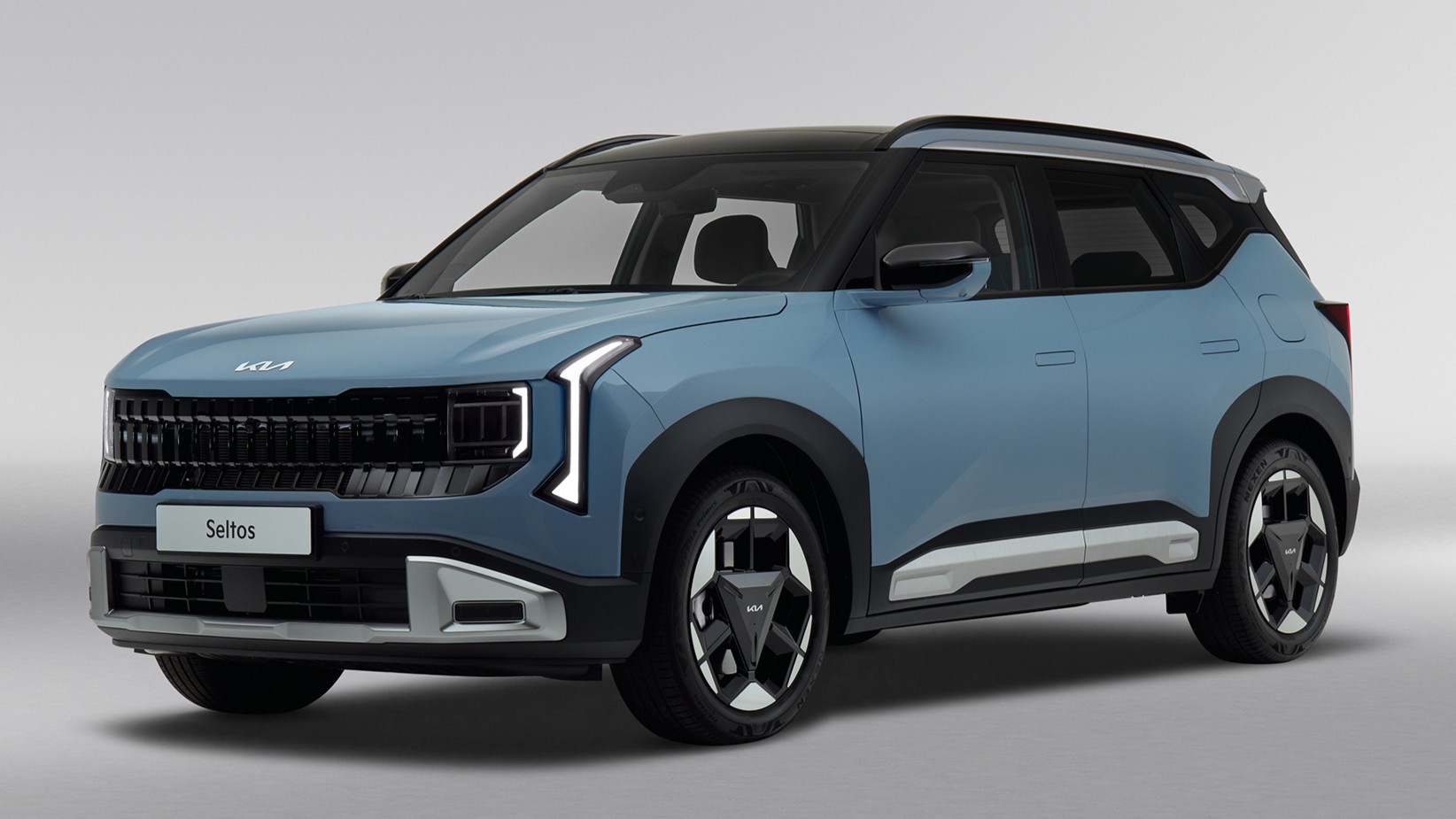
In the case of the new Seltos—a true first for the group—this inspiration is particularly evident. Designed to anchor the entry-level segment of the C-segment with a practical and versatile SUV, it builds on the concept of an optimized interior space, while shaping the exterior forms to prioritize interior roominess, just like the EV3. The styling, inspired by the “boxy” trend, gives the vehicle a more imposing presence than its 4.43-meter length would suggest, with proportions reminiscent of the flagship Sorento. The front end is dominated by the “Star Map” lighting signature, featuring separate lighting elements that are also carried over to the rear, where they are joined by a horizontal bar. The side profile is characterized by clean surfaces, flush door handles, and a particularly pronounced D-pillar, which contributes both to the model’s distinctiveness and to the roominess of the second row. The model’s character is rounded out by cladding on the wheel arches, sturdy side sills with satin-finish inserts, and 16-, 18-, and 19-inch alloy wheels, which are also inspired by the design language of the electric lineup.
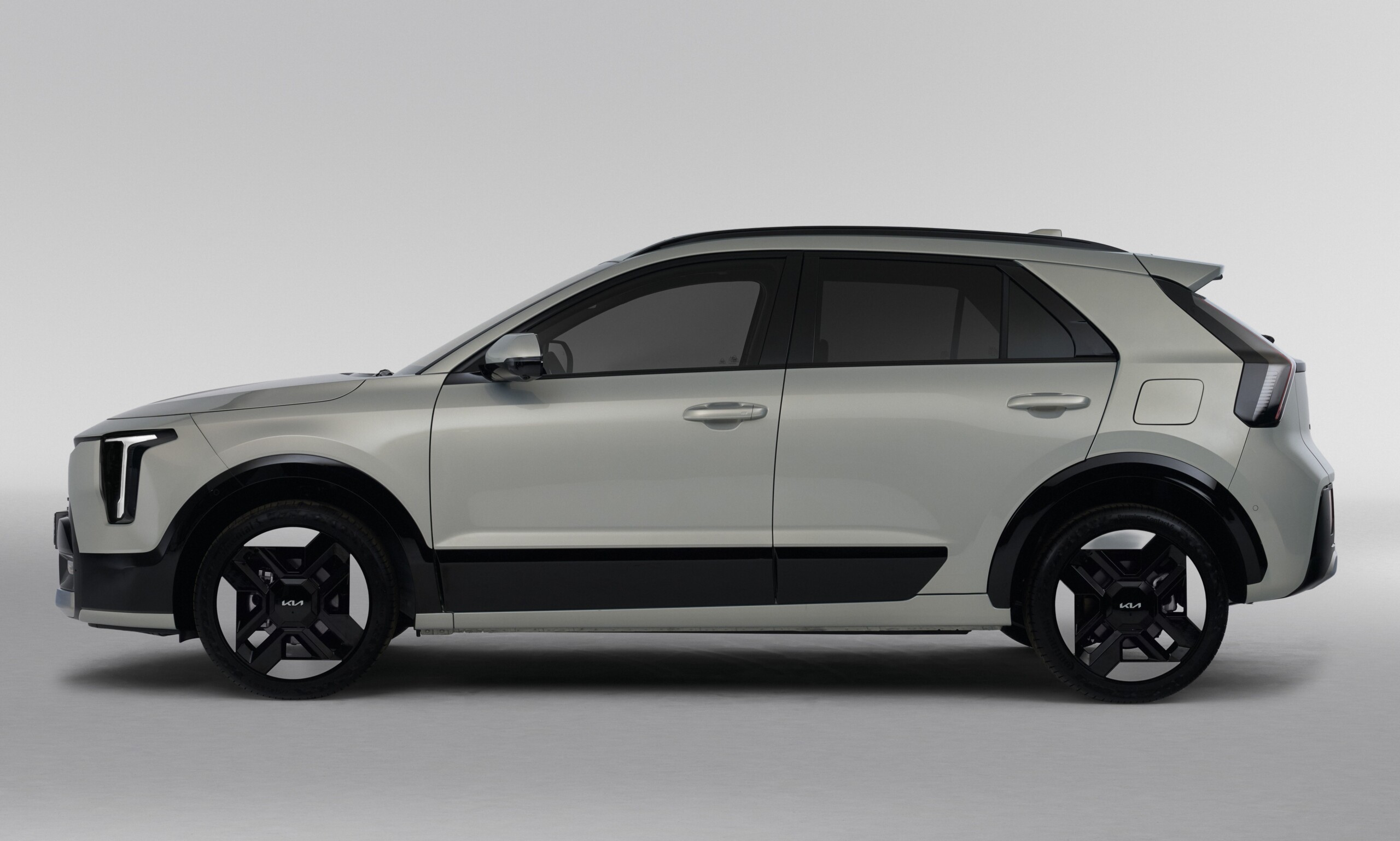
Kia Niro
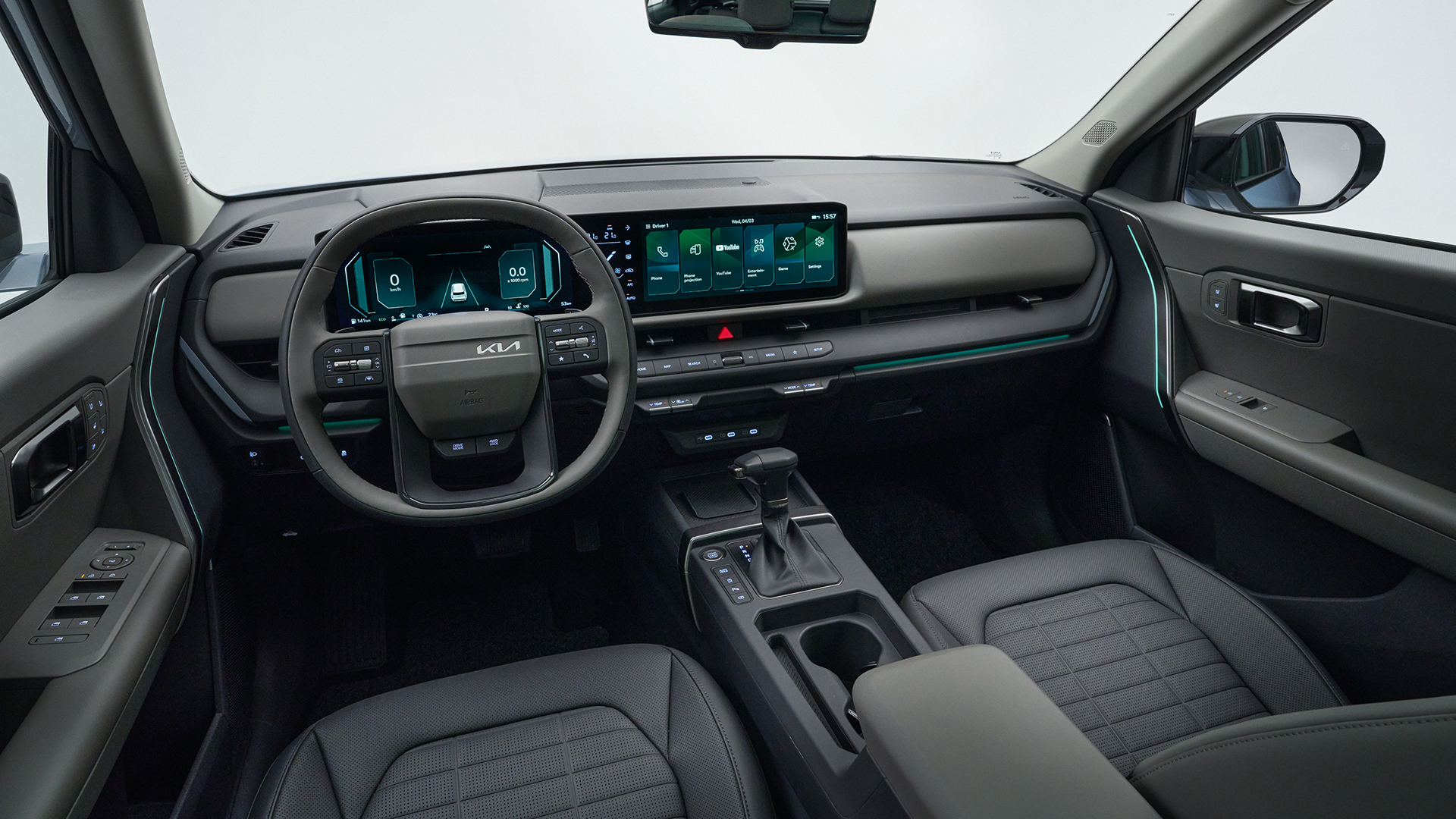
Inside, the contrast between vertical and horizontal lines—so pronounced in the EV3—gives way to a more traditional layout. There is once again a central console that houses the gear selector or shift lever, but we find the same digital interface, with a panel featuring two 12.3-inch displays for the instrument cluster and infotainment system, separated by a 5.3-inch screen dedicated to climate control. The interior thus moves away from the EV3’s extreme minimalism, favoring greater functional richness and a more prominent presence of physical controls.
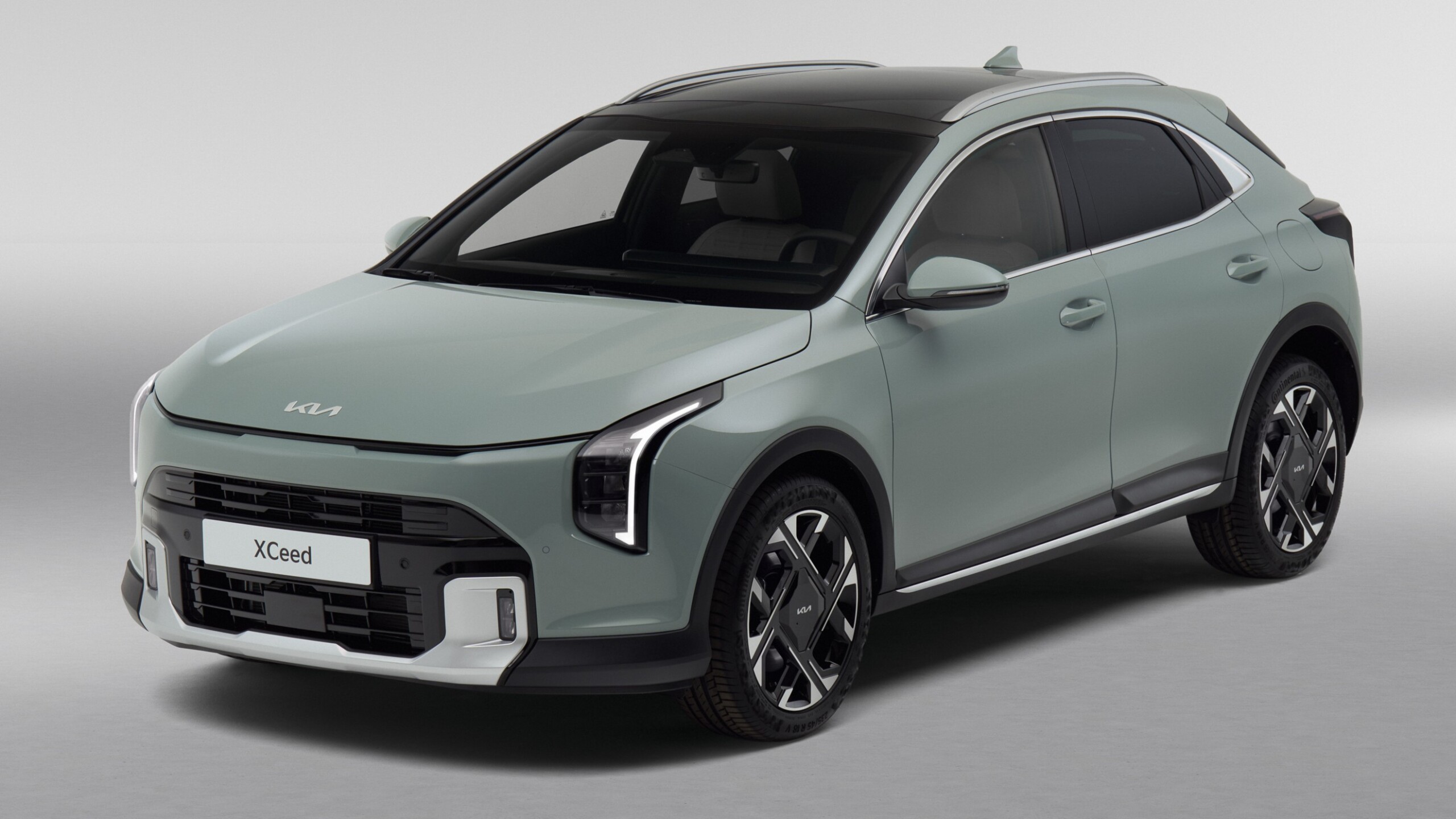
Kia XCeed
On the Niro and XCeed, however, the new design language is adapted to existing models. In the case of the Niro, the facelift appears to be almost a matter of minor details on a model that has served as Kia’s testing ground for multi-fuel technology for a decade and has always stood out for its distinct design identity within the rest of the lineup. The C-pillar with an integrated air intake next to the window and the vertically oriented taillights remain the most distinctive features. The changes to the XCeed are more complex, where the new front end, the slim, vertical headlights, and the redesigned taillights are adapted to proportions that were originally conceived according to a different design approach. The full-width light bar has been retained and reinterpreted in a more minimalist and angular style, but the contrast with the soft, rounded shapes of the original car remains evident.