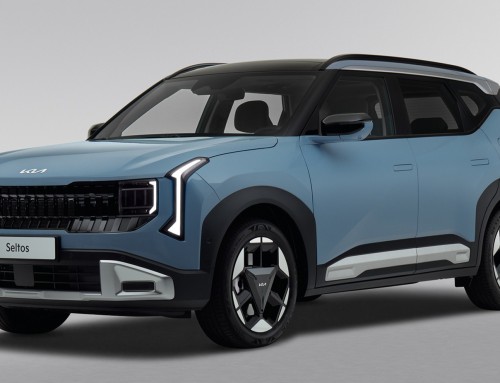
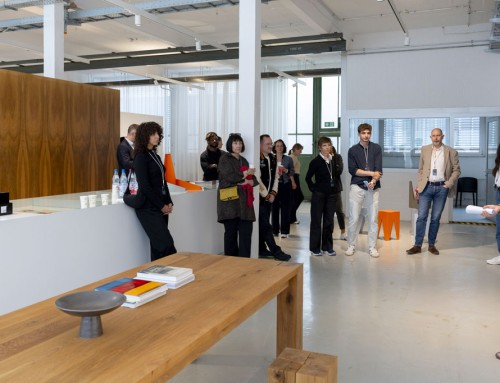
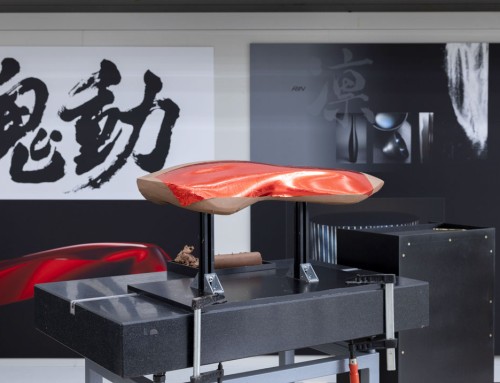
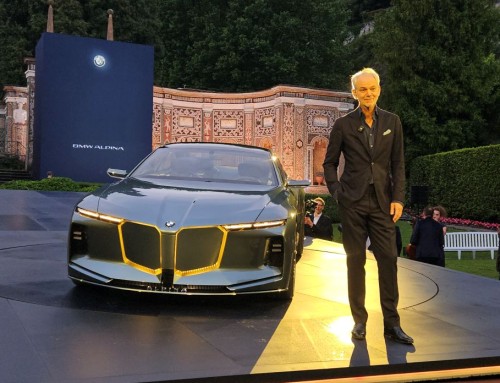
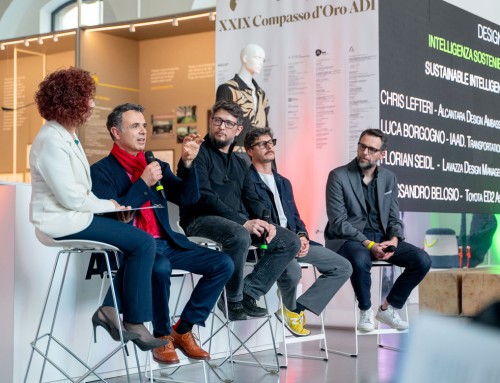
His studies and work have taken him around the world. Middle East (he was born in Lebanon), Europe, the United States, Asia: a mix of cultures and experiences that have forged his character and stylistic personality. Karim Habib, born 1970, after overseeing design for the BMW Group and Infiniti, has been Senior Vice President and Head of Kia Design Centre since 2019, and is the author of the “Opposites United” philosophy that guides the forms of the Korean brand’s new models.
Do you have any objects or places of reference from which you draw inspiration?
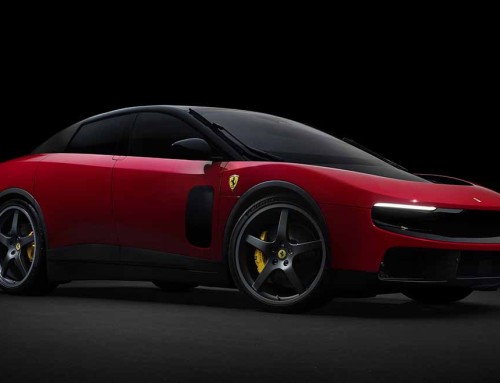
“Yes, I have several that belong to various categories. From cars that everyone loves, such as the Ferraris and Alfa Romeos of the Sixties and Seventies, to more niche ones like the 1992 Ford Focus Concept. I particularly adore traditional Japanese architecture, but Korea also always offers me great inspiration. I believe, for example, that the Audeum museum in Seoul is hugely inspiring. I also have a strong connection with Italy: I lived in Rome for a few months as a teenager and literally fell in love with the city to the point that it became a reference point for me.”
And if we talk about designers?
“In the automotive field, my favourite is Giorgetto Giugiaro, but if we broaden the scope, we can add Jean Nouvel, the master of contextual architecture Kengo Kuma, the Swiss architects Jacques Herzog and Pierre de Meuron, and the Danish designer Arne Jacobsen, born at the beginning of the 20th century. Returning to cars, it’s impossible not to think of the ultra-talented designers who worked for Pininfarina over the years and, naturally, Marcello Gandini.”

Is there a car or object you wish you’d designed?
“So many and it’s normal and right for someone in this profession to have cult objects. Starting with cars, certainly the 1963 Alfa Romeo Giulia GT, all the Ferraris created by Pininfarina between the Sixties and Seventies, the Lamborghini Miura and Espada. If I think of objects, the Grand Prix chair designed by Arne Jacobsen in the mid-Fifties comes to mind and, without doubt, the legendary Bialetti coffee maker.”
When did you realise you wanted to become a car designer?
“Quite early on. I even remember that as a child, for play, I created my own personal automotive brand. Then I grew up and began studying engineering: there I understood immediately that I would be much happier as a designer than as an engineer.”
Do you remember a turning point in your career?
“Well, when I started attending the ArtCenter College of Design, I understood it was the place for me. I loved everything about the school and that particular course of study. Meeting Chris Bangle was transformative: I’ve always thought he had an extraordinary personality, and he gave me the confidence I needed to become an automotive designer. He believed in my abilities.”

What are your hobbies and passions?
“At this point in my life with two small children, I don’t have much time to cultivate my hobbies. Family is extremely important to me: it’s with them that I spend most of my time and it’s to them I dedicate a great deal of my energy. Apart from this, I’m passionate about classic cars and architecture.”
Do you listen to music?
“I love music. I listen to it continuously and think it plays an important role in resolving certain conflicts and moods of mine. It’s difficult for me to identify a single artist I like: I believe my musical tastes are rather eclectic, but having grown up in Montreal, I feel the alternative scene in Canada shaped my preferences in this field.”
Are there any cities that are trending today?
“My city of wellbeing at the moment is Seoul, and I believe it has enormous potential. This place is a metropolis that’s also very much on-trend today, given the great quantity of culture and art. This great mix produces strong influences in my soul and fascinates it deeply.”

What’s a typical day like for the head of Kia design?
“A typical day should begin with lots of planning, but the truth is there’s no real typical day. I think every day is very different: we have so many projects and so many meeting places that every minute brings new challenges and opportunities and, often, wonderful little surprises.”
Where do you live now?
“I currently live outside Frankfurt and I like it. It’s quite a small city but, at the same time, it’s very international. Every month I go to Seoul, so I feel I live a bit in Korea as well and, as I said, I adore the city. I’m also connected to Los Angeles, where I am now (at the time of writing): I lived and studied here in the past, and things haven’t changed much from before. Of this city, I’ve always admired the amount of diversity you can encounter.”