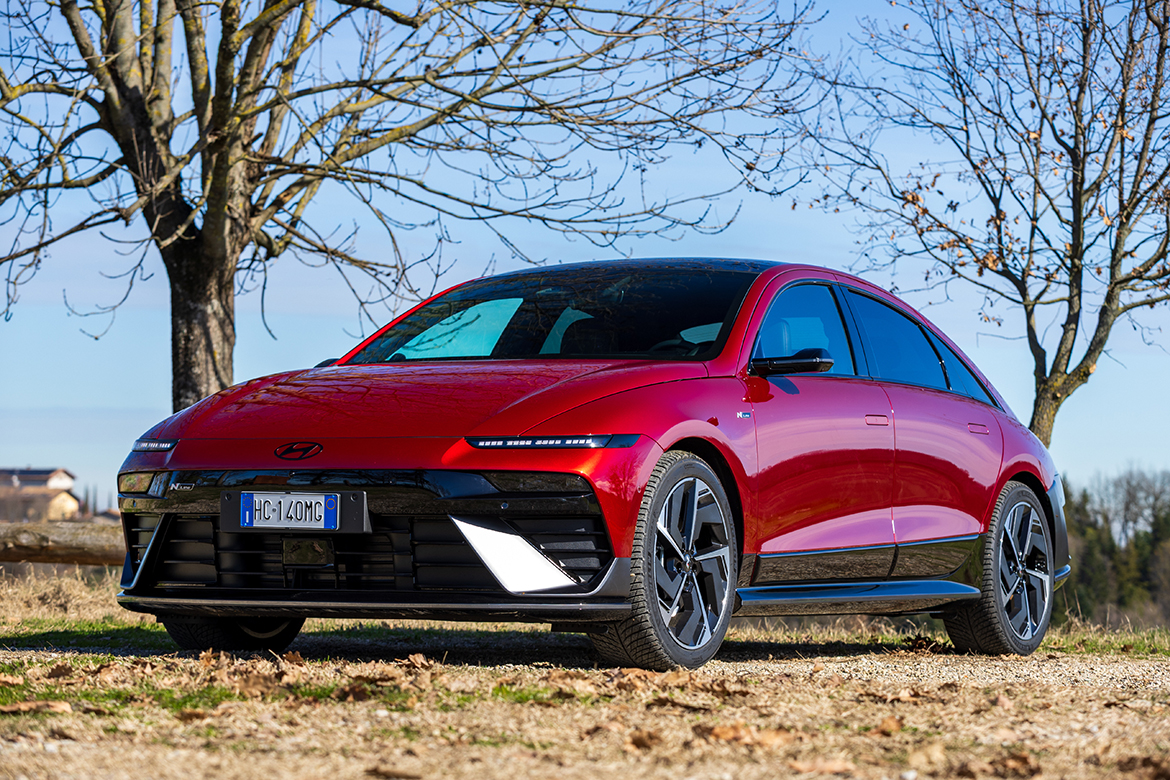
In the design of a contemporary electric car, aerodynamics is no longer just a final technical refinement, but an element that enters the creative process from the earliest stages. This is precisely the case with the new Hyundai Ioniq 6, where efficiency and form have been developed in close collaboration between engineers and designers. “We have a very close relationship with design, both with the European and Korean style centers,” explains Giulia Ludovici, Group Manager Performance and Aerodynamics at Hyundai Europe. “Every design proposal is reviewed by our team of aerodynamicists, both here in Europe and in Korea. We analyze the surfaces, evaluate the behavior of the air, and then propose any changes that can improve the car’s aerodynamic performance.”
CFD and new tools: when technology accelerates design
The digital tools available to engineers today make this process smoother and faster. Numerical flow simulation, using CFD (Computational Fluid Dynamics), allows the aerodynamic impact of stylistic choices to be quickly assessed. “Modern tools are essential for speeding up development,” explains Ludovici, who, together with his team, is committed to developing the aerodynamic efficiency of the vehicle. “Design often presents us with new ideas or modifications and asks us to evaluate them from an aerodynamic point of view. Thanks to CFD, we can quickly set up calculations and respond in a very short time.“ In this way, aerodynamics becomes a tool at the disposal of design, not a constraint. ”These tools allow us to speed up the process and support the work of designers, helping them find solutions that are both aerodynamically effective and consistent with the stylistic identity of the car.”
When the shape is already aerodynamic
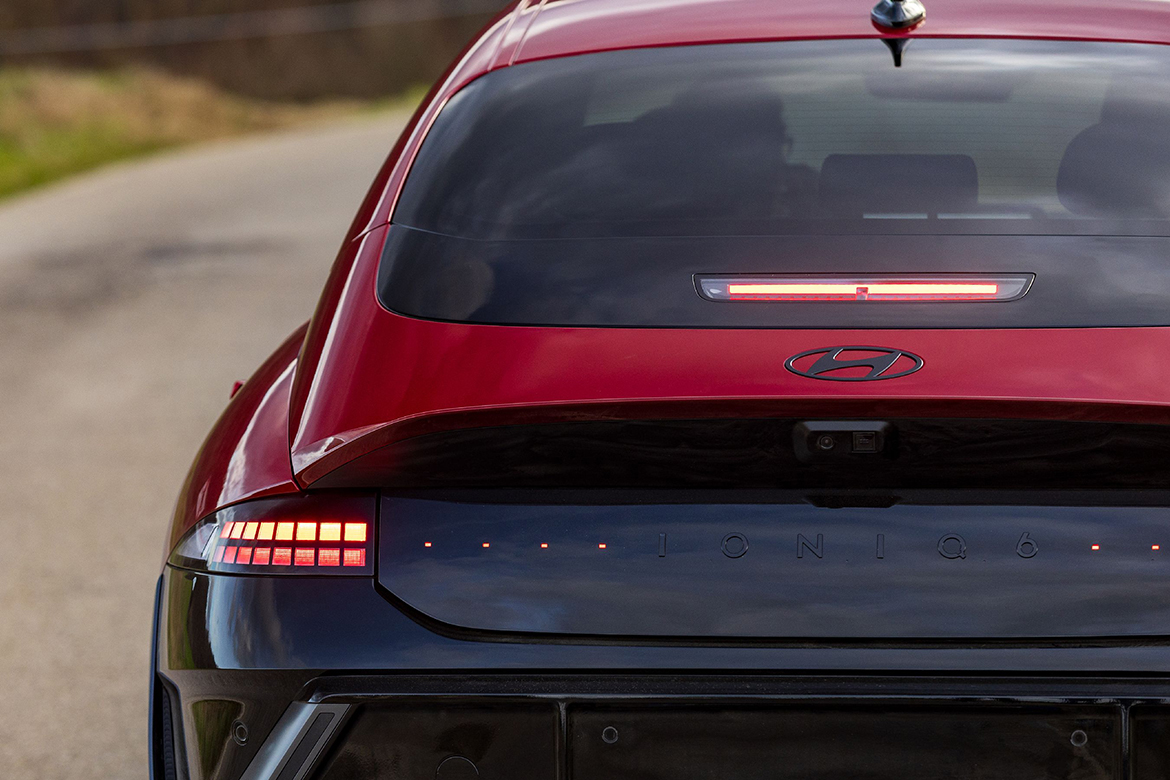
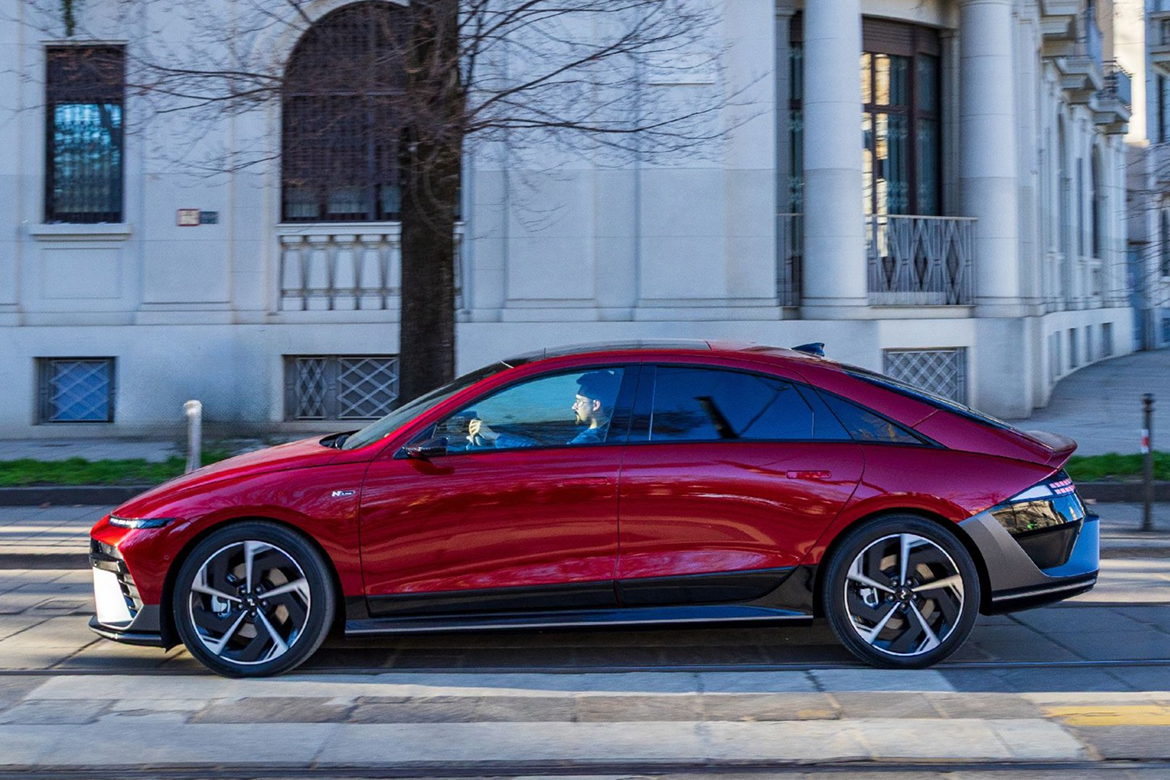
In the specific case of the new Ioniq 6, the dialogue between style and engineering proved particularly harmonious. The car was born from a formal design that was already very favorable from an aerodynamic point of view. “Honestly, there were no particularly strong conflicts between design and aerodynamics on this car,” says Ludovici. The most significant change concerned the configuration of the rear aerodynamic elements. “The main aspect was the removal of the double ducktail compared to the previous version and the introduction of a single spoiler,” he explains. “It was the most innovative change.” The result was a balance between different disciplines. “It was a mix,” concludes Ludovici. “The technical aspect was very important, but the final result always comes from the dialogue between engineering and design.”