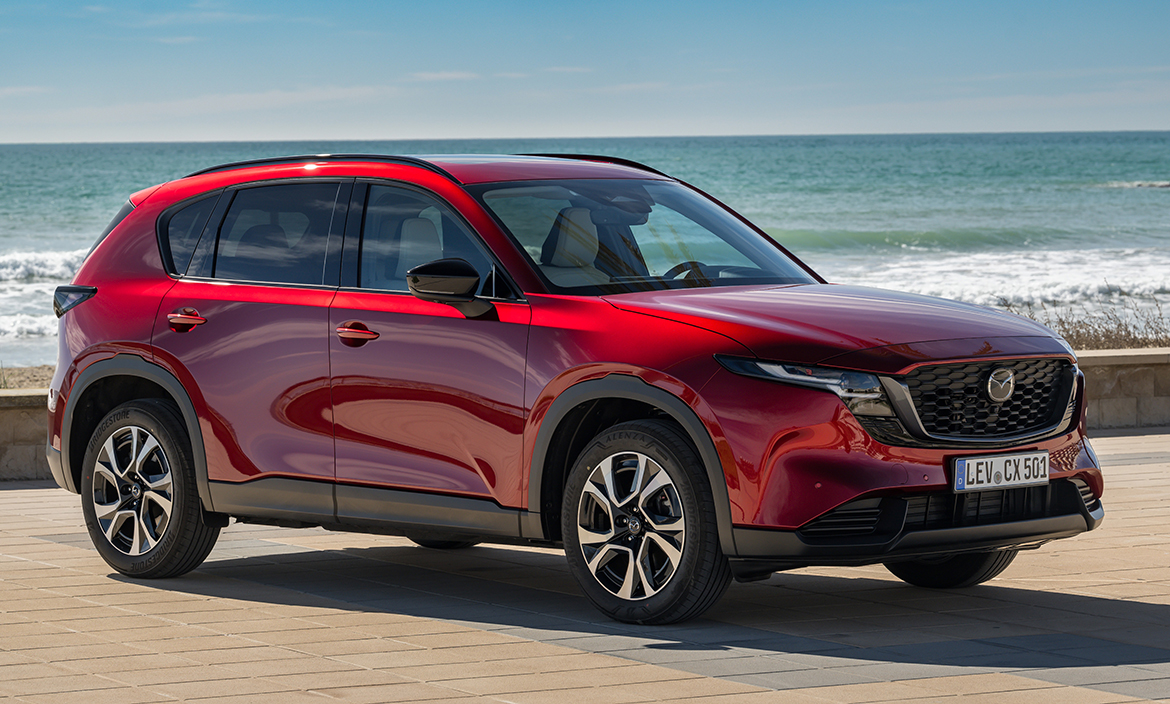
The third generation of Mazda’s best seller model confirms its status as the flagship of the Hiroshima-based manufacturer’s objectives and vision, always attentive to the practical aspects of technology, as well as following trends without becoming a slave to fashion or forgetting tradition.
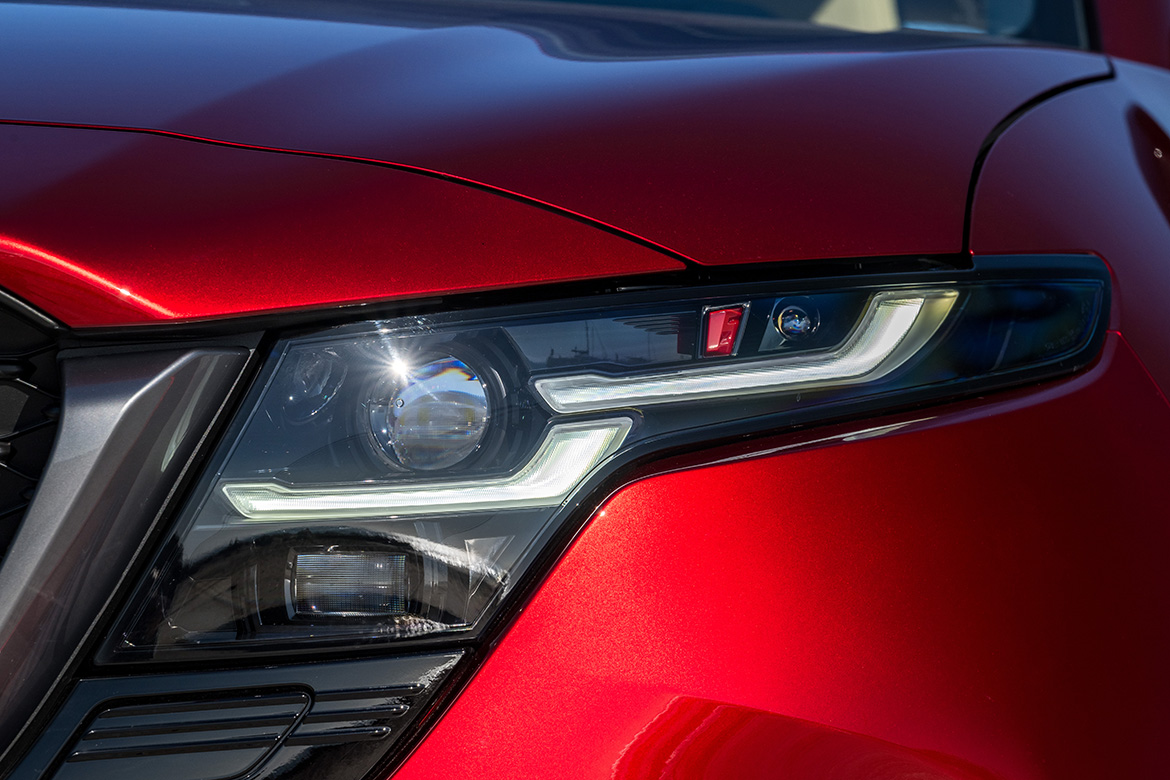
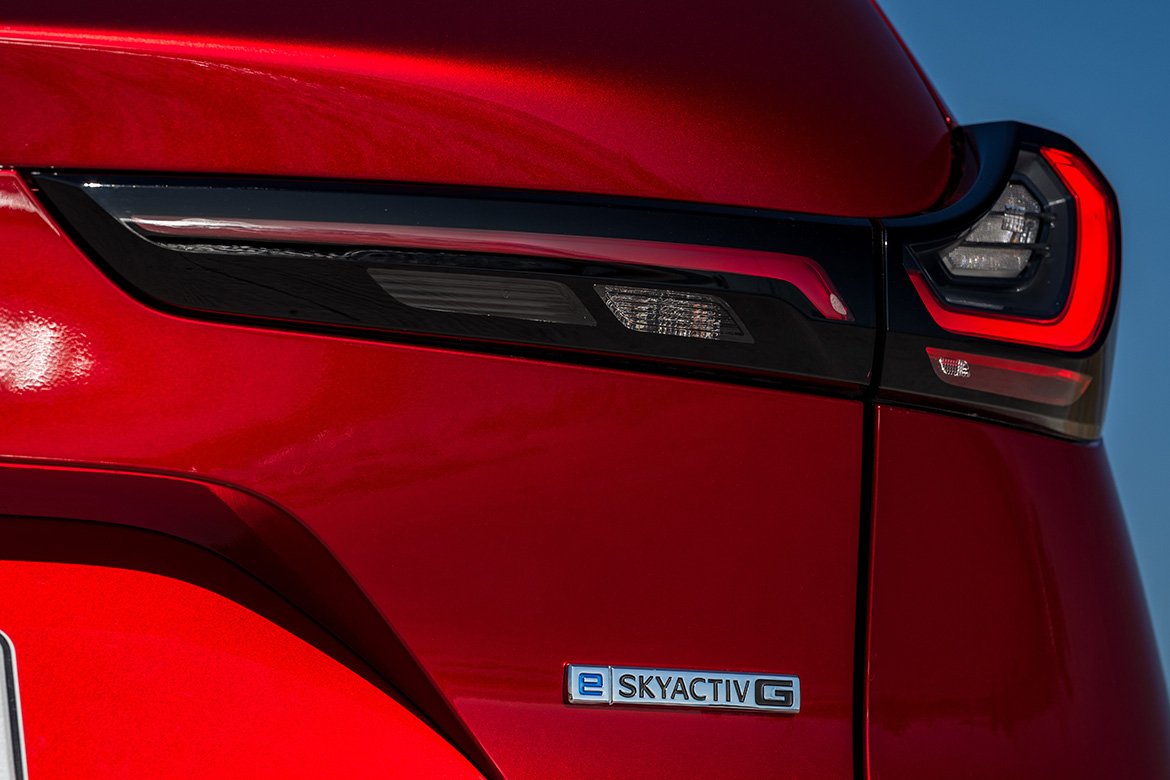
For this reason, while raising the bar in terms of content, market positioning, and expectations, it confirms choices oriented first and foremost toward practicality. The dimensions have increased significantly, especially the length, which is now close to 4.7 meters, and the wheelbase, which is now close to 2.82 meters, measurements that now place it among the mid-size rather than the compact cars, but which offer increased accessibility and roominess with rear doors that are a full 70 mm longer. All this, however, without distorting the shapes and proportions. The same is true of the interior, which features a large central display with a diagonal of up to 15.6 inches, which does not completely replace the physical controls on the steering wheel and dashboard, and a new digital platform that integrates Google functions, with AI to be added in the future.
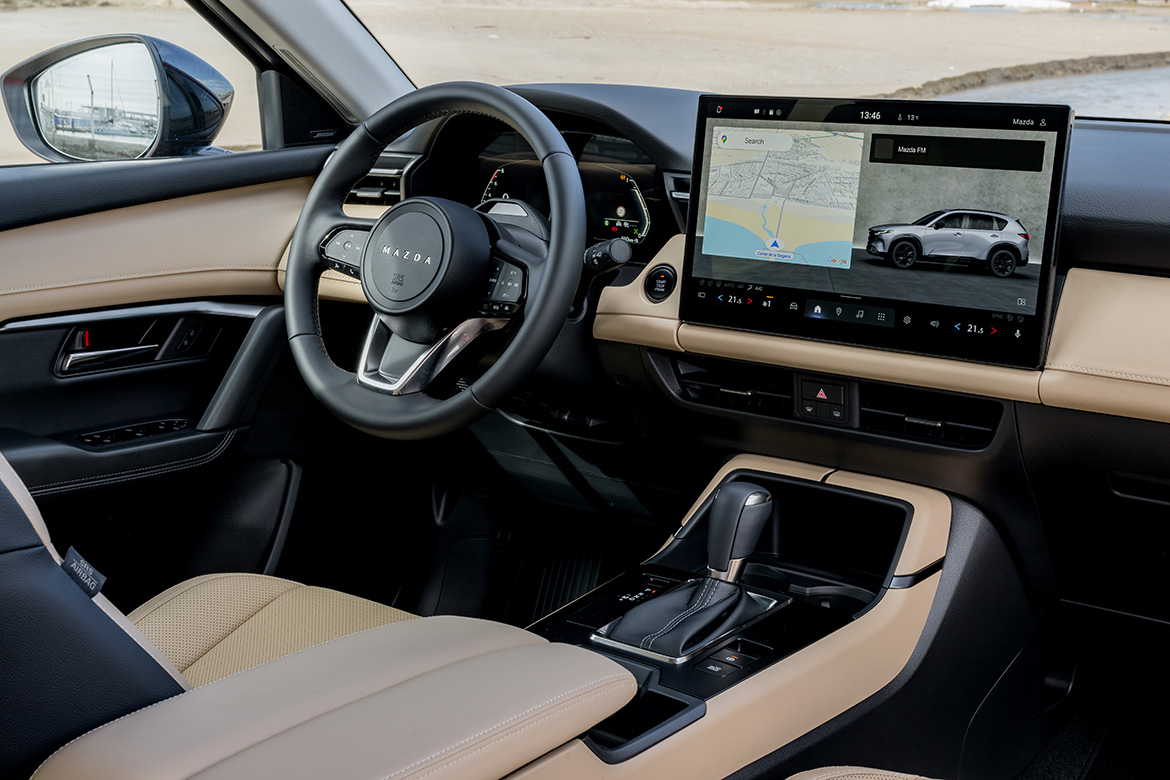
Even in this landscape of progress, however, there are traces of tradition: for exemple, the profiles at the bottom of the sides, the shape of the wheel arches, and even some elements of the seats are inspired by and pay homage to the ancient technique of Kigumi, the art of joining wood to create furniture, structures, and even buildings without glue or nails. The interiors are modeled according to the principle of MA (space), one of the pillars of Mazda’s design vision, and developed in parallel with the study of materials carried out according to the principle of respect for origins and traditions, so that even a large-scale industrial product such as a car can convey the feeling of handcrafted care.